



A paint calculator might give you a quick square feet paint estimate, but that number doesn’t tell the whole story. Two rooms with the same size can demand very different amounts of work depending on surface condition, prep, and protection. After decades of painting homes and businesses in Davis and Sacramento, we know that careful preparation shapes the quality and longevity of your finish. Keep reading to learn why the details matter more than the square footage when planning your next project. For a rough estimate of your paint needs, you might want to check out this paint calculator tool.
The Limitations of Paint Calculators
Getting the right amount of paint isn’t just a numbers game. While square footage seems straightforward, it’s only the first step.
Understanding Square Footage Estimates
Paint calculators start by measuring the room size. They often rely on width and height, giving you a base number to work from. This creates a snapshot that can help you buy the right amount of paint. But these calculators don’t consider the nitty-gritty details that can change everything. It’s like measuring a house by its walls alone, ignoring the character inside.
Using just square footage might mean you underestimate what you need, leading to multiple store trips. Instead, think of this figure as a baseline. It’s useful but not complete. Calculators like this one from Sherwin-Williams can still serve as a starting point for planning.
Beyond Basic Square Feet Calculations
Here’s the key insight: other factors dictate the true needs of your project. Square footage overlooks surface conditions, trim, and doors. If walls have damage or textures, expect to use more paint. This is where attention to detail matters most.
Many people assume painting is just about covering space, but older homes or detailed surfaces need more than a simple coat. That’s why on-site assessments are vital. They show the real scope beyond what numbers can tell. For a deeper dive, take a look at our post on paint preparation essentials.
Factors Affecting Paint Needs
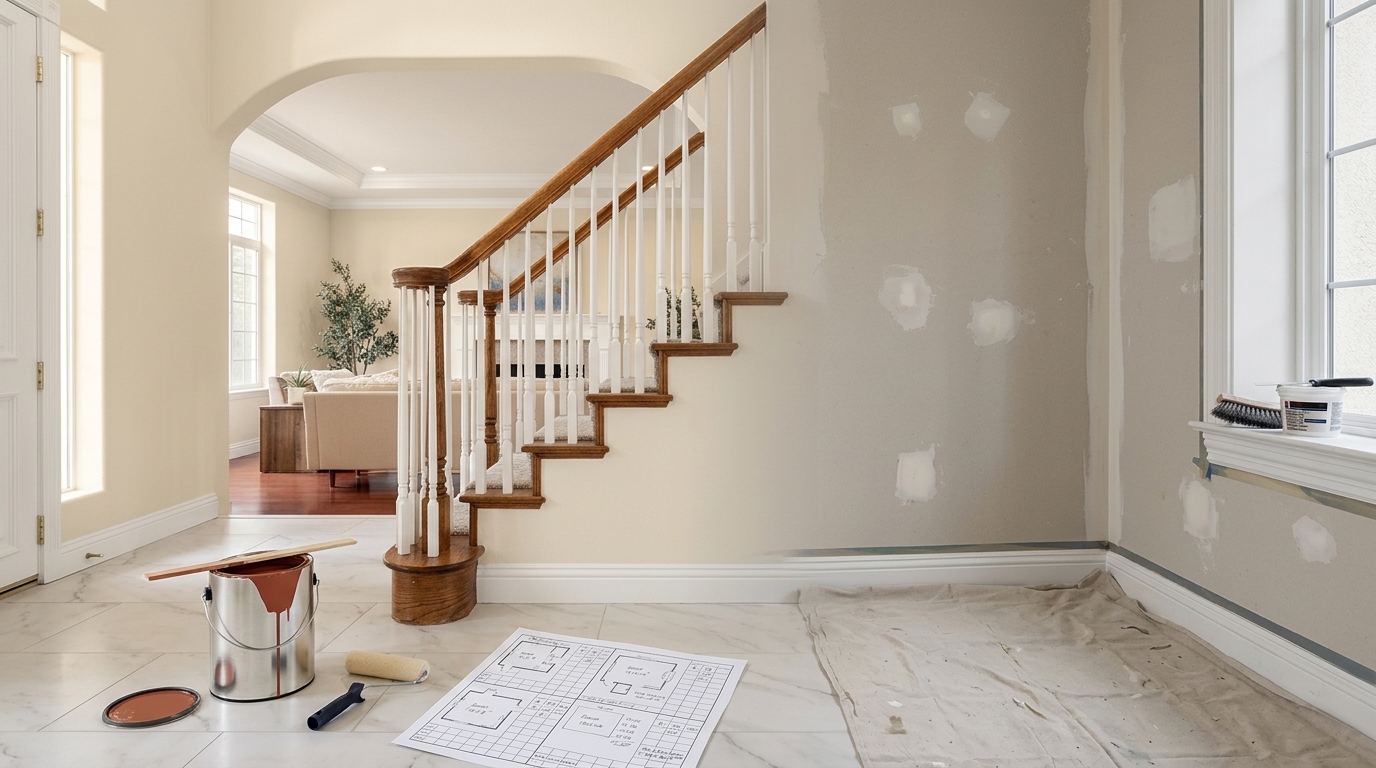
When planning a painting project, surface prep and conditions play a critical role in determining paint needs.
Importance of Surface Preparation
Surface preparation is the unsung hero of painting. Clean, smooth walls absorb paint differently from rough or dirty ones. For instance, a wall with previous paint and dirt can soak up more paint than you’d expect. This means you need to consider prepping as much as painting.
Prep work can include cleaning, sanding, or even repairing walls to ensure they’re ready to be painted. These steps make sure the paint adheres properly, leading to a better finish. Proper prep is more than just a step; it’s a quality guarantee.
Impact of Trim, Doors, and Ceilings
Trims and doors can quickly add up in a paint project and impact how much paint you need. Each door needs additional attention, and trims require meticulous painting. Ceilings, often forgotten, also add to the total paint required.
Painting these areas needs skill and precision. They aren’t just add-ons; they define the room’s character. Ignoring them can leave you with an incomplete look. To ensure these elements are covered, consider on-site estimates, which take these details into account.
Achieving a Professional Finish
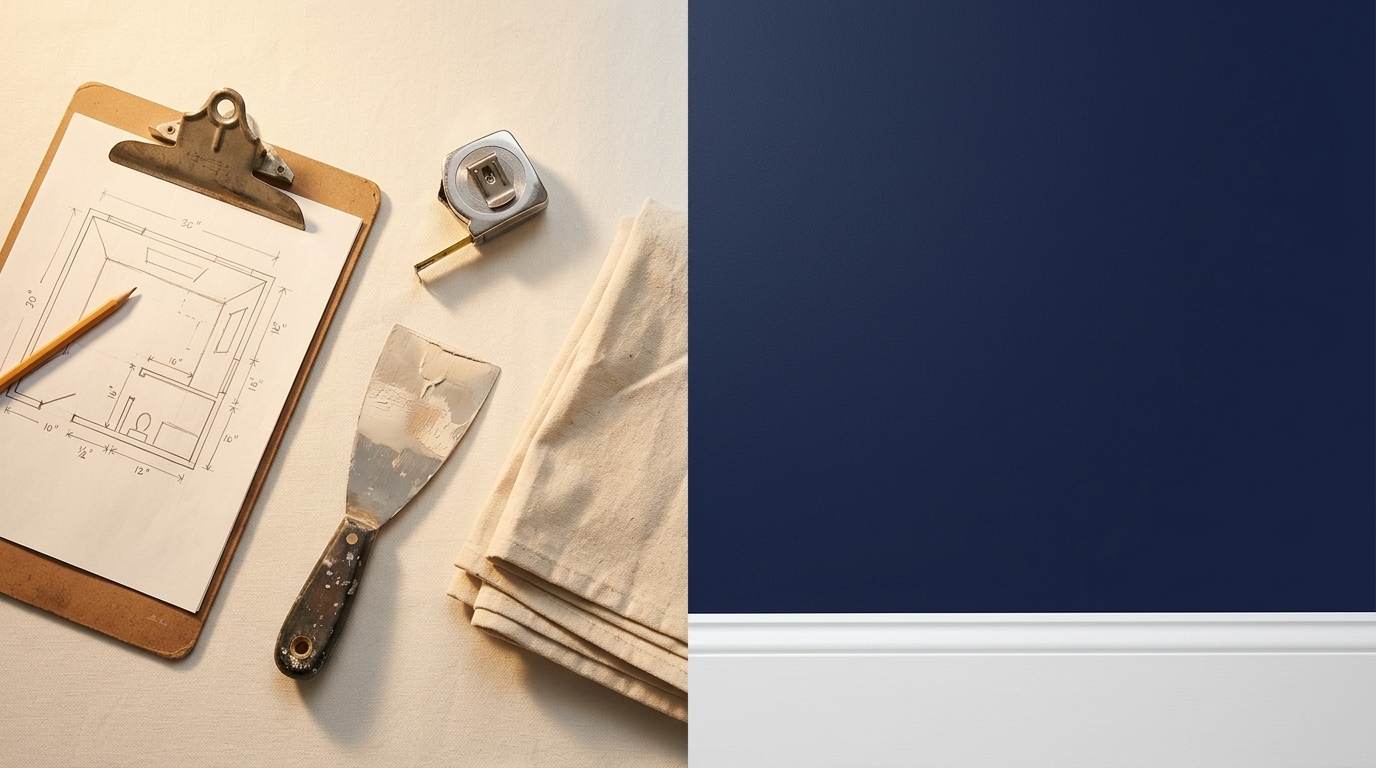
A professional-looking finish is about more than just the paint. It’s about how you prepare and plan.
Role of Prep Work in Paint Quality
Prep work directly influences the final paint quality. Dust-free, smooth surfaces ensure the paint adheres evenly, preventing issues like peeling or bubbles. It also extends the life of your paint, saving costs in the long run.
Before starting, check the surface condition. Is it clean? Are there cracks or holes? These questions guide your prep work, ensuring a seamless finish. Proper prep is an investment in quality.
Benefits of On-Site Estimates in Davis and Sacramento
For residents in Davis and Sacramento, on-site estimates offer clarity. These evaluations consider your home’s unique conditions, giving you a tailored paint plan. They address everything from surface condition to the intricacies of older homes.
On-site estimates provide a full picture, ensuring you’re not caught off guard by unexpected costs or delays. They are a smart move for anyone serious about achieving a top-notch finish. For more information, read our guide on how much paint you really need.
Frequently Asked Questions
How do I know how much paint I need?
Calculate the room’s square footage and consider prep work and surface conditions. On-site estimates give the most accurate picture.
Is prep work necessary before painting?
Yes, prep work ensures the paint adheres properly, preventing peeling and extending the paint’s life.
Why should I get an on-site estimate?
On-site estimates provide a tailored plan specific to your home’s conditions, helping to avoid unexpected costs and ensuring quality.


