

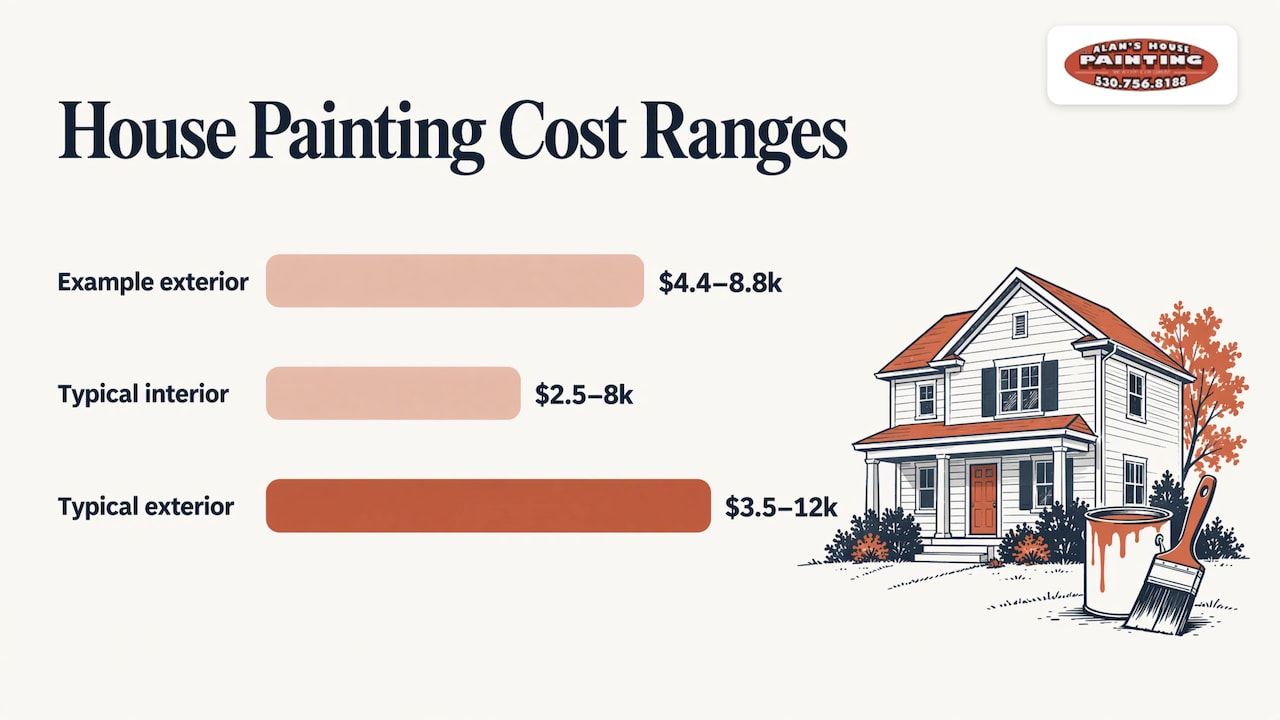
A good house painting estimate is a written, itemized document that names every surface, the prep work, the products, the number of coats and the total price. Nationally, 2026 guides put interior painting at roughly $1 to $4 per square foot of floor space and exterior painting at roughly $2.20 to $4.40 per square foot. The number matters less than what sits behind it. Two bids that differ by thousands of dollars usually differ in prep and scope, not in the price of paint. At Alan’s House Painting we publish ranges for the two most common jobs: interior painting at $2,500 to $8,000 and exterior painting at $3,500 to $12,000, with a free estimate to price your actual house.
TL;DR
- Expect national averages of about $1 to $4 per square foot inside and $2.20 to $4.40 outside, according to This Old House’s 2026 guides. Your house will land above or below that depending on prep, surfaces and height.
- A usable estimate lists labor, materials, coats, product brand, surfaces included and prep steps in writing.
- Prep and repairs, not paint, are the biggest swing factors. A cheap bid often means thin prep.
- Get at least three written estimates, be home for each walk-through, and compare line by line.
- In California, check the contractor’s license and get everything in the written contract.
Table of Contents
- What a house painting estimate actually is
- What the price depends on
- What typical numbers look like
- What a good estimate breakdown includes
- How to get and compare estimates
- Checks specific to Davis and Sacramento
- Red flags in an estimate
- Why the cheapest estimate often costs more
- Interior versus exterior estimates
- Get an estimate for your house
- FAQ
- Sources
What a house painting estimate actually is
An estimate is the painter’s written price for a defined scope of work. It is not a calculator result. Online calculators multiply square feet by a rate, which gives you a ballpark for budgeting. A painter’s estimate comes from standing in your house, looking at your walls, trim, siding and ceilings, and deciding what has to happen before the first coat goes on.
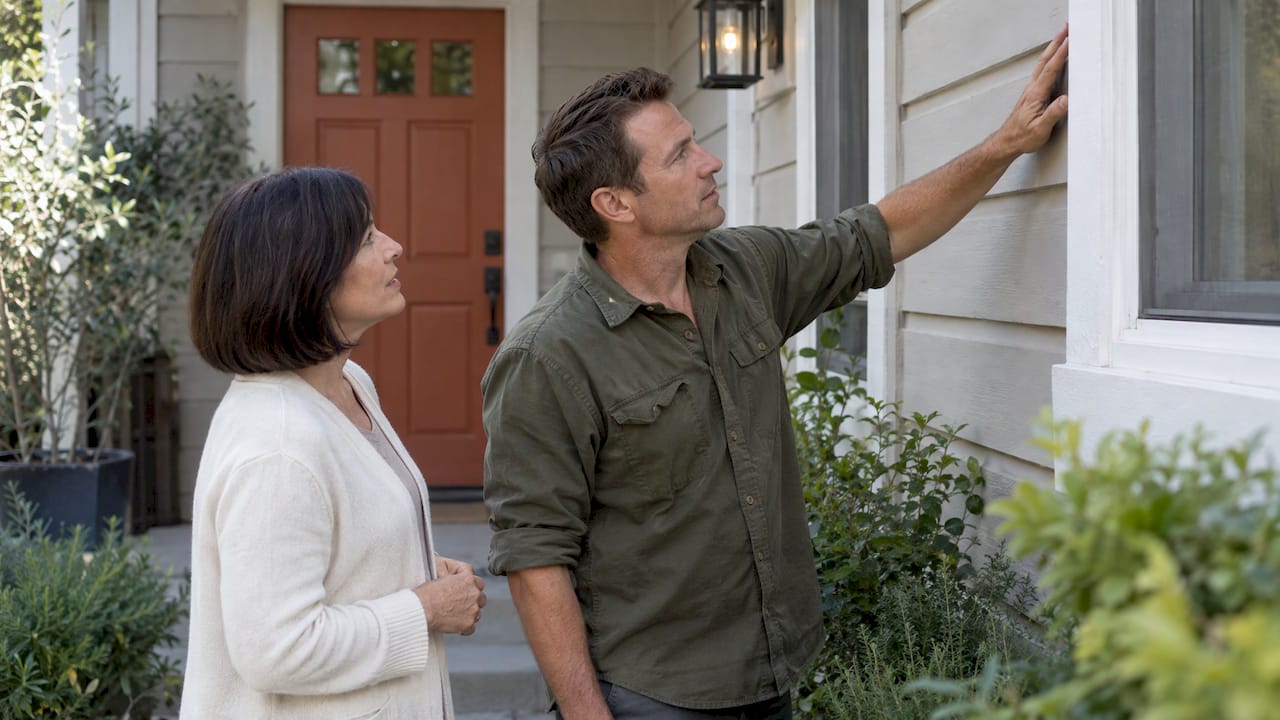
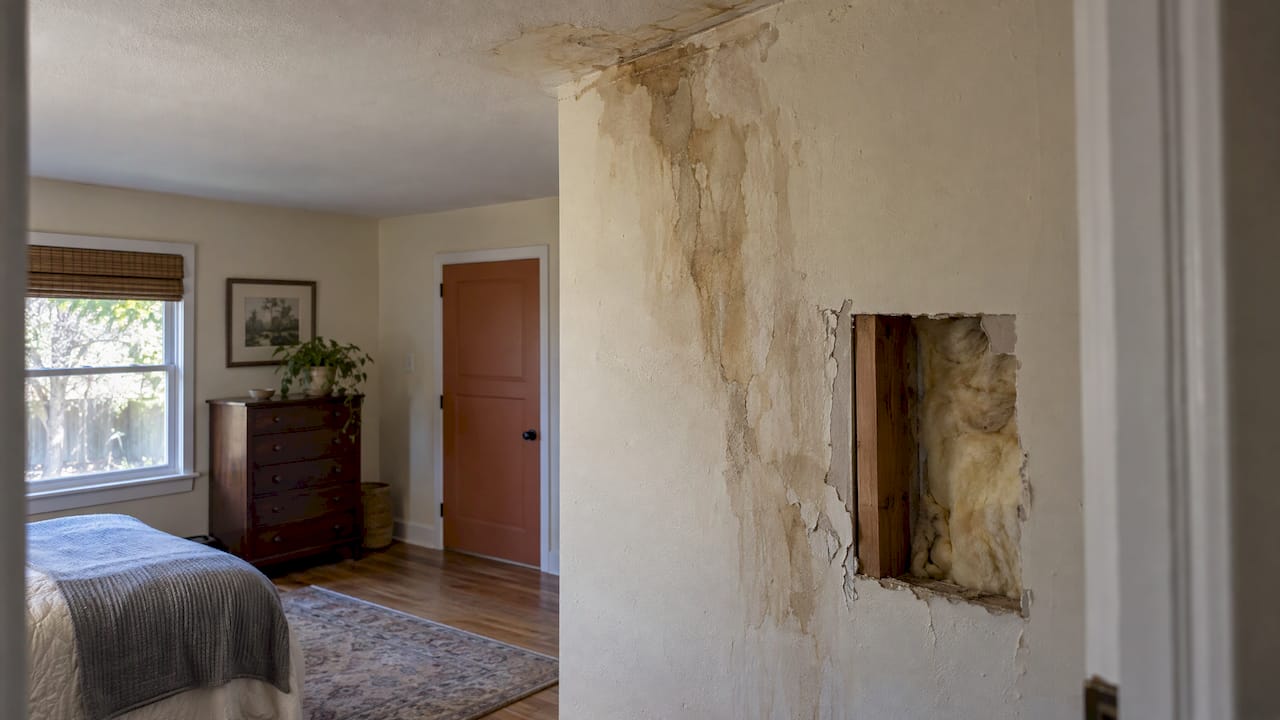
That difference explains why Consumer Reports advises being home for the initial meeting so you can see how thoroughly each painter assesses the house. Its experts note that the longer a contractor takes to look things over, the more realistic the estimate tends to be. A five-minute walk-around produces a guess. A thorough look at the stucco cracks, the north-side siding and the water-stained ceiling produces a price you can hold someone to.
If you want to see how we think about this, our piece on why the right estimate starts with prep walks through the same idea in more detail.
What the price depends on
Every estimate, ours included, is built from the same handful of variables.
Paintable area and which surfaces are included
Interior costs depend on which surfaces are in the bid. NerdWallet’s 2026 guide notes that walls are commonly included, while accent walls, trim and ceilings may cost extra. Doors, window frames, baseboards, crown molding and closets are the items most often left out of a low bid and added back later. Decide what you want painted before you collect bids, and write it down so every painter prices the same job.
Surface condition and prep
Prep is sanding, scraping, patching, caulking, priming and masking. It is slow, it is mostly labor, and it decides how long the finish lasts. The BBB’s hiring guide treats prep as the place quality is decided and suggests asking whether pressure washing, caulking and crack-filling are included, and what prep you are expected to do yourself.
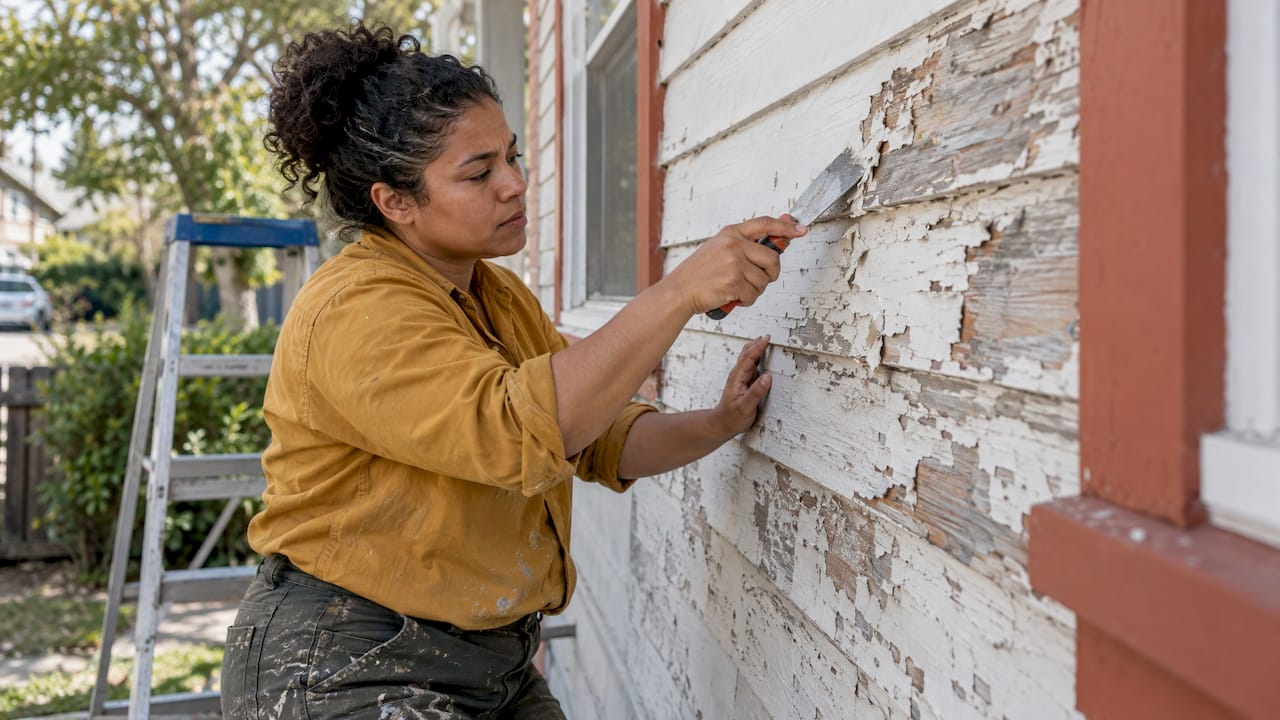
A newer home with intact paint needs little. An older home with peeling, bubbling or bare wood needs far more. Davis and Sacramento have plenty of older housing in neighborhoods such as Land Park, East Sacramento, Curtis Park and Midtown, where decades of layered paint, wood siding and detailed trim mean the prep line is often the largest part of the estimate. Our write-up on how mold, surface readiness and older architecture change exterior painting shows what that looks like on a real house.
Paint, primer and coats
NerdWallet lists paint at $15 to $60 or more per gallon and primer at $20 to $60 per gallon, with a gallon of paint covering about 350 to 400 square feet and primer about 200 to 300. Bare drywall, raw wood and textured surfaces drink more. SoFi’s guide explains that rough texture adds paintable area and porous new surfaces absorb more paint, so a plain square-footage figure understates the material needed.
A two-coat finish over a primed surface costs more than a single coat over an existing color, and it lasts longer. The estimate should say how many coats of primer and paint it includes.
Height, access and complexity
High ceilings, stairwells, steep roof lines and second stories call for ladders, lifts or scaffolding. Complex architecture, such as many windows, gables and trim details, adds hours. Two homes with the same square footage can price very differently for this reason alone.
Extras
Wallpaper removal, drywall repair, texture work, cabinet refinishing and color consulting are separate scopes. They belong on their own lines so you can see what each costs.
What typical numbers look like
The figures below are national 2026 guide ranges for budgeting. They are not a quote, and labor rates in Northern California can differ from national averages.
| Home size | Interior | Exterior |
|---|---|---|
| 1,000 sq ft | $1,000 to $4,000 (This Old House) | $1,500 to $4,000 (NerdWallet) |
| 2,000 sq ft | $2,000 to $8,000 (This Old House) | $4,400 to $8,800 (This Old House) |
Note how wide the ranges are. A 2,000-square-foot house can cost twice as much at one end as at the other, and the gap is explained by the factors above: surfaces included, prep, paint grade, stories and siding type.
Worked example: a 2,000 sq ft house
Say you own a two-story, 2,000-square-foot house built in the 1970s. Using the This Old House ranges, the exterior would budget between about $4,400 and $8,800. Now add reality. The south wall has peeling paint, the fascia boards need some wood repair, and the second story needs scaffolding or a lift. Those facts push the job toward the upper half of the range or beyond it. A painter who prices the same house at the bottom of the range without mentioning any of that has either not looked closely or plans to skimp on prep.
For reference, our own published ranges for a typical project are $2,500 to $8,000 for interior painting and $3,500 to $12,000 for exterior painting. The right figure for your house comes from a walk-through, because it turns on exactly the factors above. We cover how that plays out locally in our guides to exterior painting cost in Davis and interior painting cost in Davis, and a 1,500 sq ft interior breakdown.
What a good estimate breakdown includes
The BBB says a professional estimate should list specific costs for labor, materials and paint, travel time if charged, and the completion timeframe. Consumer Reports adds that you should ask for the number of coats of primer and paint, the brand and model of the materials, and a detailed description of surface preparation. Put together, a complete estimate has these parts:
- Scope. Rooms or elevations covered, and whether ceilings, trim, doors, windows, garage and closets are in or out.
- Prep. Washing, scraping, sanding, caulking, patching, priming, and who protects floors and furniture.
- Products. Brand, product line, sheen and color for each surface, plus primer.
- Coats. The number of primer and finish coats.
- Labor and materials. Priced separately or clearly shown within the total.
- Timeline. Start date, expected duration and how weather or delays are handled.
- Warranty. What is covered, for how long, and what the exclusions are. Consumer Reports suggests asking for a two-year guarantee against chipping, peeling, blistering, flaking and excessive fading.
- Payment terms. Deposit, progress payments and final payment tied to completion.
- Cleanup. What is left, what is removed, and how the site is restored.
A single line reading “paint house, $6,500” fails nearly every item. You cannot compare it with another bid, and you cannot tell what you will have if something goes wrong.
How to get and compare estimates
Follow this routine and the comparison mostly does itself.
- Write your own scope first. List the rooms or sides of the house, the surfaces, any repairs you already know about and the colors if you have them. Use the same list for every bidder.
- Get at least three written estimates. Consumer Reports recommends consulting at least three professional painters. Be home for each walk-through.
- Watch how each painter inspects. Do they check the siding, press on soft trim, look at ceilings for stains and ask about past leaks? Thoroughness at this stage shows up later as quality.
- Lay the bids side by side. Compare scope, prep, products, coats and warranty before you compare totals. When a bid is much lower, find which line is thinner.
- Check references and past work. Consumer Reports suggests looking at work done several years ago, which tells you how the finish held up.
- Confirm licensing and insurance. The BBB advises verifying up-to-date permits and licenses and liability insurance.
- Sign a full contract. It should state what is and is not included, so the estimate’s promises become enforceable.
This is also where a full-service approach pays off. We coordinate projects through a personal concierge who provides daily progress updates, and our estimate covers color consultation, specified paint products, and guarantee and warranty options. That means the items on the list above are addressed up front rather than discovered halfway through the job.
Checks specific to Davis and Sacramento
California has rules that apply to your painting project, and they are worth knowing before you sign anything.
License. The Contractors State License Board (CSLB) says a contractor’s license is required when a project needs a building permit, uses additional workers, or totals $1,000 or more in labor and materials. Nearly every house painting job crosses that line, so ask for the license number and look it up on the CSLB site before you sign.
Climate and timing. Central Valley summers are hot and dry, and exterior paint behaves differently in heat and direct sun. A good estimate for an exterior job should mention the season, the surfaces that take the most sun and the products chosen for them. Our guide to preventing cracking and peeling on exterior paint explains why, and our piece on when to repaint your home’s exterior helps you time it.
Older neighborhoods. If your house is in Land Park, East Sacramento, Curtis Park or Midtown, ask each bidder how they handle wood siding repair, layered old paint and detailed trim. The answers show experience. For homes built before 1978, ask also how the painter handles possible lead-based paint, since disturbing old paint safely requires proper practices. Your painter should be able to explain their process plainly.
Local presence. A painter who works in your area knows the housing stock, the weather and the HOA or city requirements that apply. We have been painting since 1975 and work across Davis, Sacramento, West Sacramento, Woodland, Dixon and Winters.
Red flags in an estimate
- A verbal or one-line price. You cannot compare it or enforce it.
- No mention of prep. If sanding, scraping and priming are missing, expect shortcuts.
- No brand or product line. “Quality paint” can mean anything.
- Unusually low total. Look for what has been left out: trim, ceilings, a second coat or repairs.
- A rushed walk-through. Consumer Reports’ experts link a longer assessment to a more realistic estimate.
- No license number or proof of insurance. Ask before the contract, not after.
Why the cheapest estimate often costs more
Labor makes up most of a painting bill, so the way a bid gets cheaper is usually fewer labor hours. Fewer hours means less prep, fewer coats or less careful masking. The result is paint that peels or fades early, and you pay to redo it. A realistic estimate costs more on day one and less over the life of the paint job.
That is the logic behind our approach. We focus on careful preparation, detail and respectful service in your space, and we put the scope in writing so you can see what the price covers.
Interior versus exterior estimates
Interior estimates are driven by the number of rooms, ceiling height, trim, the amount of furniture to move and the condition of walls. Drywall repair, wallpaper removal and texture work show up here often. Our interior painting service covers these, along with cabinet refinishing and color consulting.
Exterior estimates are driven by stories, siding material, surface condition, access and weather exposure. SoFi notes that exterior pricing also depends on stories, siding and preparation. Masonry painting and limewashing are separate scopes with their own prep. Our exterior painting service is where those are handled.
Commercial work follows the same logic with added questions: working hours, tenant disruption, phasing and the maintenance schedule. Property managers who want consistent upkeep should ask for a scope that can be repeated year after year so budgets stay predictable.
Get an estimate for your house
If you are in Davis, Sacramento or the surrounding towns and want a written estimate built on a real walk-through, we offer a free estimate for interior, exterior, masonry, cabinet and commercial painting. Our published ranges are $2,500 to $8,000 for interior painting and $3,500 to $12,000 for exterior painting, and the estimate itself fixes your number against your house. You can see everything we do on our painting services page.

Tell us the rooms or sides of the house, what bothers you about the current finish and any colors you are considering. We will scope the prep, products and coats so you can compare our estimate with any other you collect.
FAQ
How much does a house painting estimate cost?
Most painters give estimates for free. The price you are being quoted is the cost of the painting itself, which national 2026 guides place at about $1 to $4 per square foot inside and $2.20 to $4.40 outside. Ours is free and based on a walk-through of your home.
How much does it cost to paint a 2,000 sq ft house?
For the exterior, This Old House’s 2026 guide gives a typical range of $4,400 to $8,800. For the interior, its 2026 guide gives $2,000 to $8,000. Prep, ceilings, trim and the number of stories move your price within or beyond those ranges.
How much does it cost to paint a 1,000 sq ft house?
NerdWallet’s 2026 guide estimates $2,000 to $6,000 for the interior and $1,500 to $4,000 for the exterior. Whether ceilings, trim and closets are included accounts for much of the spread.
What should be in a painting estimate?
It should list the surfaces covered, prep steps, paint brand and product, number of coats, labor and material costs, timeline, warranty and payment terms. Consumer Reports and the BBB both recommend getting this in writing before you hire anyone.
Why do painting estimates differ so much?
Bids differ mostly in scope and prep. One painter may include trim, ceilings, repairs and two coats while another prices walls only. Compare the line items before you compare the totals.
Sources
- How to Hire a Painter, Consumer Reports
- Cost to Paint a House in 2026, NerdWallet
- How Much Does It Cost To Paint a House Exterior?, This Old House
- How Much Does Interior Painting Cost?, This Old House
- Hiring a painter, Better Business Bureau
- How Much Does It Cost to Paint a House?, SoFi
- Who must be licensed as a contractor, CSLB
Recommended
- How Much Does It Cost to Paint a 1,500 Sq Ft Interior? A Local Pro’s Breakdown
- Paint Calculator: Why the Right Estimate Starts with Prep, Not Just Square Footage
- Home Depot Paint Prices vs. Real Project Costs: A Commercial Painter’s Take for Davis and Sacramento
- Beyond the Paint Calculator: Getting a Trustworthy Exterior Paint Estimate for Your Davis Home