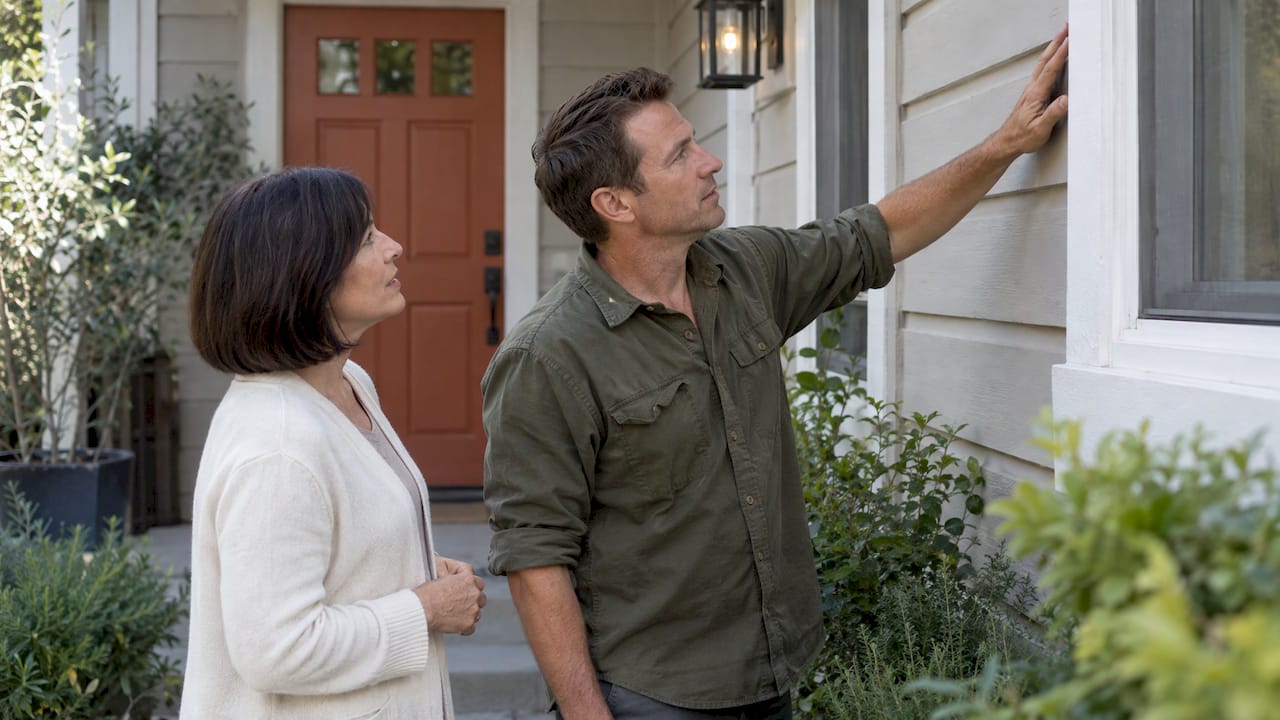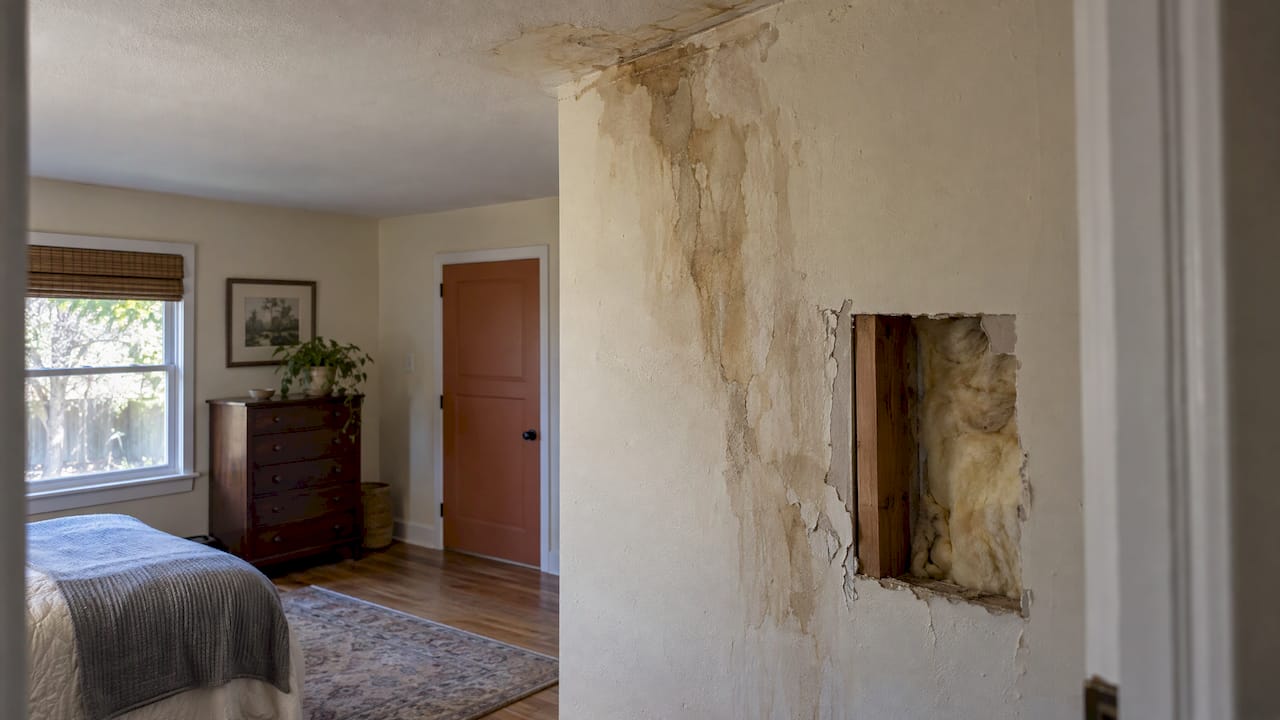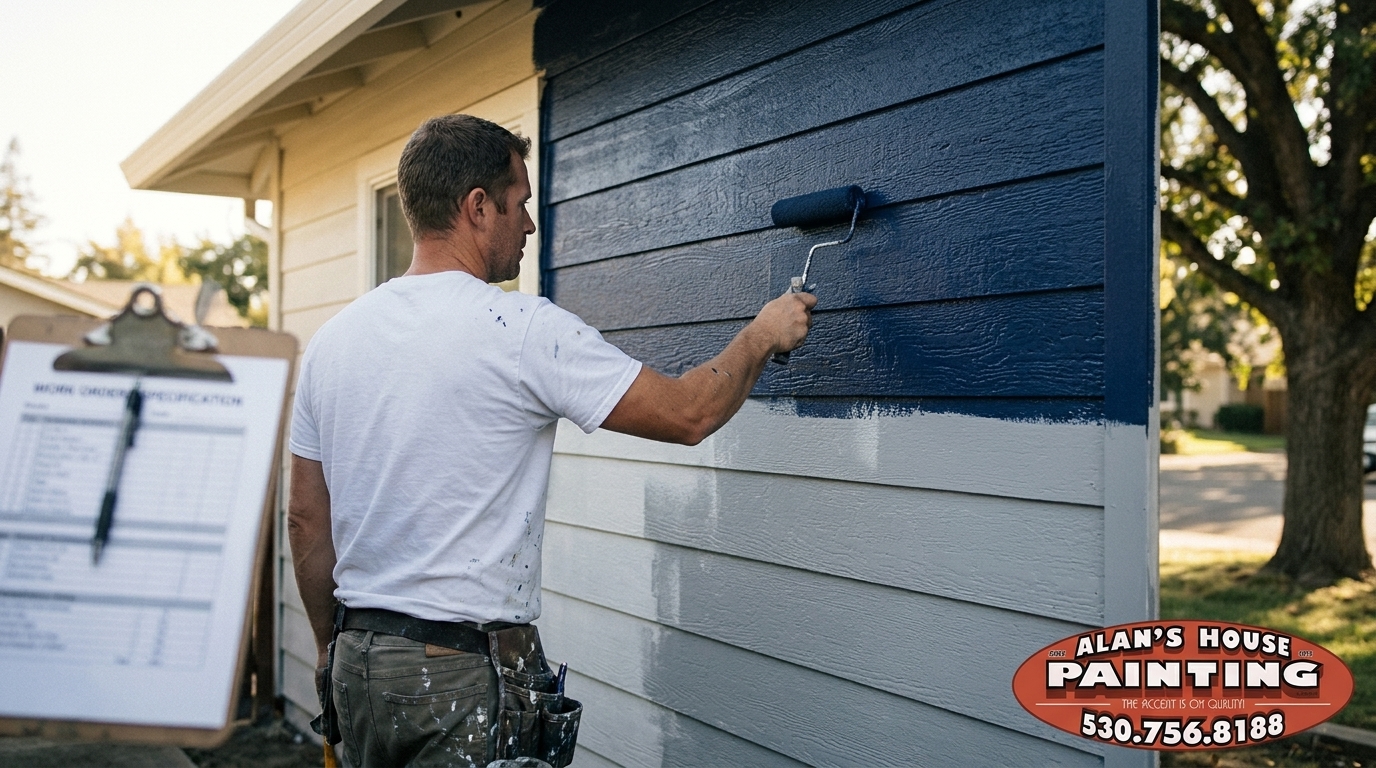

Most paint coverage calculators stop at square footage, leaving you guessing once prep work begins. But the truth is, surface condition, masking, and touch-ups can change how much paint you actually need. After decades working on homes in Davis, we know that careful prep isn’t extra—it’s what keeps your estimate accurate and your finish flawless. Keep reading to learn why measuring prep matters as much as measuring walls. For a practical guide, you can explore this paint calculator.
Beyond Square Footage: The Real Coverage
When you’re planning a painting project, it’s tempting to rely solely on square footage to determine how much paint you need. But that’s just part of the story. Let’s explore the hidden factors that ensure your project goes smoothly.
Common Missteps in Paint Calculation
Many people assume that calculating paint needs is simple: just measure your walls. But this overlooks key variables. Surface condition and materials can greatly affect coverage. If walls are rough or porous, they absorb more paint. Smooth surfaces need less. It’s also crucial to consider areas needing touch-ups. Even small mistakes here can lead you to run out of paint unexpectedly.
When only square footage guides you, you might find yourself mid-project, realizing you need more supplies. This can delay completion and increase costs. Avoid this by understanding that paint estimation is more than a basic math problem. It involves carefully examining your project’s specific needs.
Why Surface Prep Matters
Before painting, surface prep is essential. It ensures paint adheres properly and lasts longer. Neglecting this step can lead to poor results. Proper prep involves cleaning, sanding, and priming surfaces. This not only helps paint stick but also enhances the final appearance.
Imagine painting over a dirty wall. The result is uneven, with blemishes visible. Taking time to prepare surfaces makes a significant difference. It ensures the paint goes on smoothly and evenly, providing a professional finish that lasts.
The Role of Masking and Protection
Masking and protection are often overlooked but are vital for a clean job. Using tape and cloths to cover areas not being painted prevents accidental splatters and keeps edges sharp. This step is not just## Beyond Square Footage: The Real Coverage
Understanding paint coverage involves more than just square footage. Let’s explore what truly affects the amount of paint you need.
Common Missteps in Paint Calculation
Many people think calculating paint is just about measuring walls. But that’s a mistake. Relying solely on square footage often leads to buying too little or too much paint. Other factors matter too. For example, the type of surface you’re painting can change how much paint you need. Rough surfaces absorb more paint, while smooth ones need less.
Another common misstep is not considering the number of coats. One coat might not be enough to cover dark colors or stains. When calculating, always plan for at least two coats. This helps ensure even color and lasting results. Finally, many overlook the need for extra paint for touch-ups later. It’s always smart to have a little extra for when life happens.
Why Surface Prep Matters
Surface preparation is crucial for the best results. A well-prepared surface uses paint more efficiently. Cleaning and sanding ensure the paint adheres properly. This step can save paint in the long run. If the wall has flaws like cracks or holes, they need fixing first. Otherwise, these imperfections will show through the paint.
Proper prep also involves priming. Primer helps paint stick better and evens out the surface. It can also reduce how much paint you’ll need. Skipping prep might seem like a time-saver, but it often leads to using more paint and getting a less professional finish.
The Role of Masking and Protection
Masking and protection are key parts of any painting project. They ensure clean lines and keep paint where it belongs. Without masking, you risk messy edges that require extra touch-ups. Tape and covers protect areas from stray splashes and drips. This reduces waste and saves time on cleanup.
By taking the time to mask and protect, you also save paint. You won’t need to repaint areas where mistakes happened. It’s a small step that makes a big difference in the overall look and efficiency of the job.
Crafting Your Coverage Plan
Creating an effective coverage plan involves a few crucial steps. Let’s see what you need to consider to get it right.
Assessing Surface Conditions
The first step in your coverage plan is assessing surface conditions. Every wall is different. Some walls are smooth, others textured. Each type absorbs paint differently. Start by checking for any damage or uneven areas. Repair these spots to ensure an even finish.
Next, think about the material of the surface. Is it drywall, wood, or brick? Each has its own paint needs. Knowing the type of surface helps you choose the right primer and paint. Accurate assessment leads to fewer surprises and a better paint job.
Primer and Number of Coats
Primer plays a big role in your painting project. It sets the stage for the paint to work properly. A good primer covers imperfections and helps paint adhere. This means you might need fewer coats of paint. For many projects, one coat of primer and two of paint is ideal.
The number of coats also depends on the color change. Going from dark to light or vice versa often needs more paint. Planning these layers carefully helps you buy the right amount of paint from the start. For more insights on paint costs and planning, check out this guide.
Accurate Coat Counts and Finishes
Knowing how many coats you need is vital. It affects how much paint to buy and the final look. Start by deciding the finish you want. Glossy finishes might need more coats than matte ones. This choice impacts the paint’s durability and appearance.
To count coats accurately, consider both primer and paint. If you’re covering a bold color, more coats might be necessary. Keep in mind, touch-ups later require extra paint too. Accurate planning helps avoid last-minute runs to the store.
Precision Prep: A Trusted Approach
When it comes to painting, precision makes all the difference. Here’s how expertise can transform your project.
Expertise in Older Homes
Older homes have unique challenges. They often need more careful prep and painting techniques. With age, surfaces can become uneven or cracked. These need addressing to achieve a flawless paint job. Expertise in dealing with older homes ensures the charm is preserved while modernizing the look.
Professional painters understand the quirks of older properties. They know what products work best and how to tackle specific issues like old paint or plaster. This knowledge ensures a beautiful finish that respects the home’s history.
Benefits of a Free On-Site Estimate
A free on-site estimate offers valuable insights into your painting project. It helps tailor the paint plan to your specific needs. A professional can assess the condition of your walls and recommend the right products. This means fewer surprises and a more accurate budget.
On-site estimates also provide a chance to discuss options. You can explore different finishes, colors, and techniques. This collaboration helps ensure your vision becomes a reality. Plus, it builds trust, knowing your project is in capable hands.
Reliable Painting Services for Davis and Sacramento
In Davis and Sacramento, reliable painting services are essential. Choosing a local expert means personalized service and understanding of the area’s unique needs. Whether for residential or commercial projects, professionals ensure a high-quality finish.
Reliable services offer more than just painting. They provide peace of mind with insured and licensed work. This guarantees your project is handled with care and expertise. For those looking to enhance their space, a reliable painter is a valuable partner.
Frequently Asked Questions
How do I calculate how much paint I need?
Calculating paint starts with measuring the area to be painted. Consider walls, ceilings, and any trim. Factor in the number of coats and surface condition. Using a paint coverage calculator can help, but remember to account for prep work and primer needs.
What is the importance of primer in painting?
Primer prepares surfaces for painting. It covers imperfections, helps paint adhere, and can reduce the number of coats needed. Using primer results in a smoother, more durable finish.
How does surface condition affect paint coverage?
Surface condition affects how much paint a wall absorbs. Rough or uneven surfaces may need more paint. Proper surface prep ensures better coverage and a professional look.
Why do older homes require special painting techniques?
Older homes often have unique surfaces and materials. They may need more prep to address issues like cracks or unevenness. Specialized techniques ensure the paint job enhances the home’s character while providing a modern finish.
What are the benefits of hiring a local painting expert?
Local painting experts offer personalized service and understand the community’s needs. They provide insured, licensed work and bring local knowledge to your project, ensuring a result you can trust.