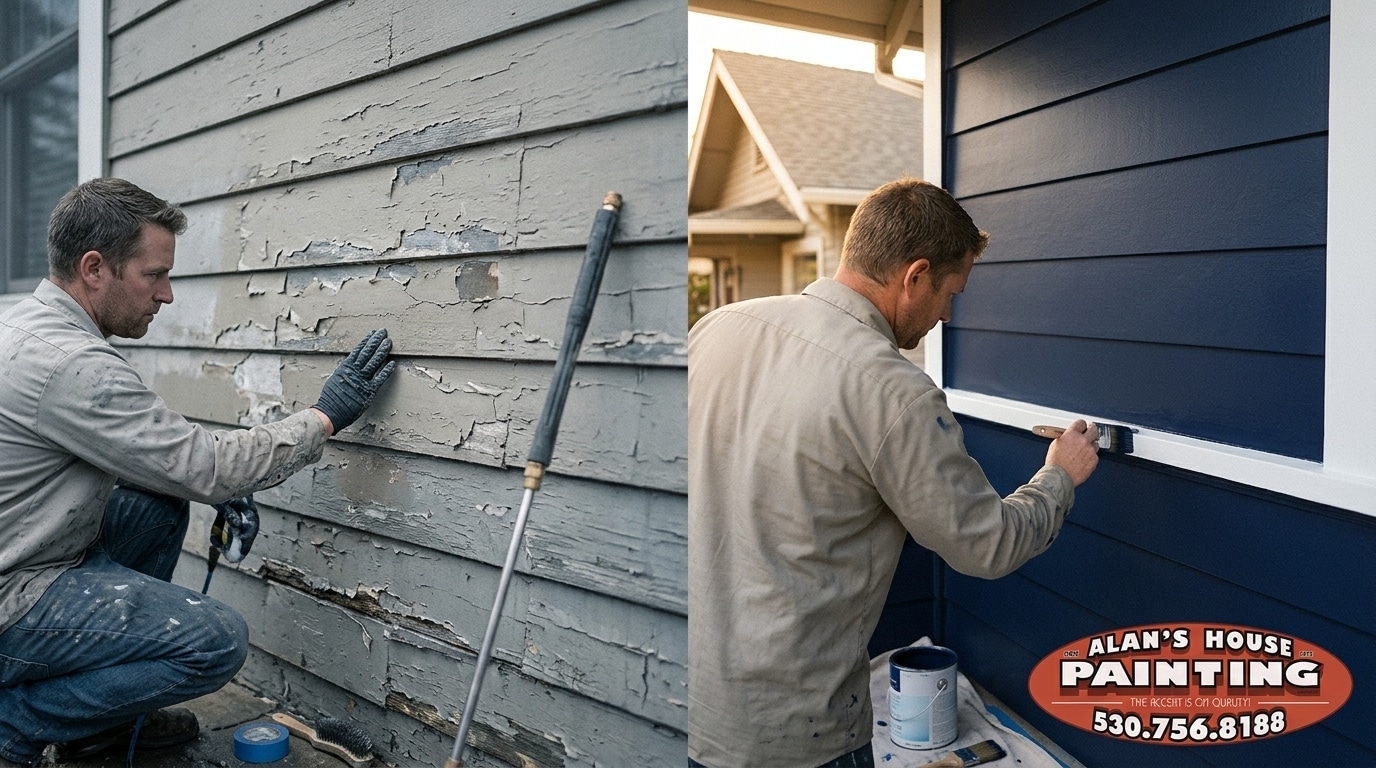


Paint colors rarely look the same once they meet your home’s natural light. After decades working in Davis homes, we’ve learned that light and room layout shape how a color feels throughout the day. That’s why our color consulting in Davis CA starts with studying your space before we even show a swatch. Keep reading to see how this careful approach helps you pick colors that truly fit your home’s unique character. Learn more about color consulting.
Understanding Natural Light
Natural light plays a pivotal role in how paint colors appear in your home. It’s essential to consider how daylight moves through a space, altering the perception of color.
Impact on Paint Color
The way light interacts with paint can drastically change how a color is perceived. In a sunlit room, colors often appear brighter and warmer. Conversely, in dimly lit spaces, they might seem muted or cool. Consider, for example, a room painted in a soft yellow. In direct sunlight, this hue can glow, offering a cheerful and inviting atmosphere. Yet, in a room with limited sunlight, the same yellow might feel more subdued, almost beige. Understanding this interaction is crucial for selecting colors that will maintain their intended vibe throughout the day.
Evaluating Room Orientation
The direction a room faces affects its lighting and color perception. North-facing rooms tend to receive cool, consistent light, making colors appear darker. South-facing rooms, on the other hand, are flooded with warm, bright light, enhancing the color’s warmth. East-facing rooms get bright morning light, while west-facing rooms catch warm afternoon sun. Each orientation presents unique challenges and opportunities for color selection. By considering these factors, you ensure that your chosen paint will look its best at all times.
Room Layout Considerations
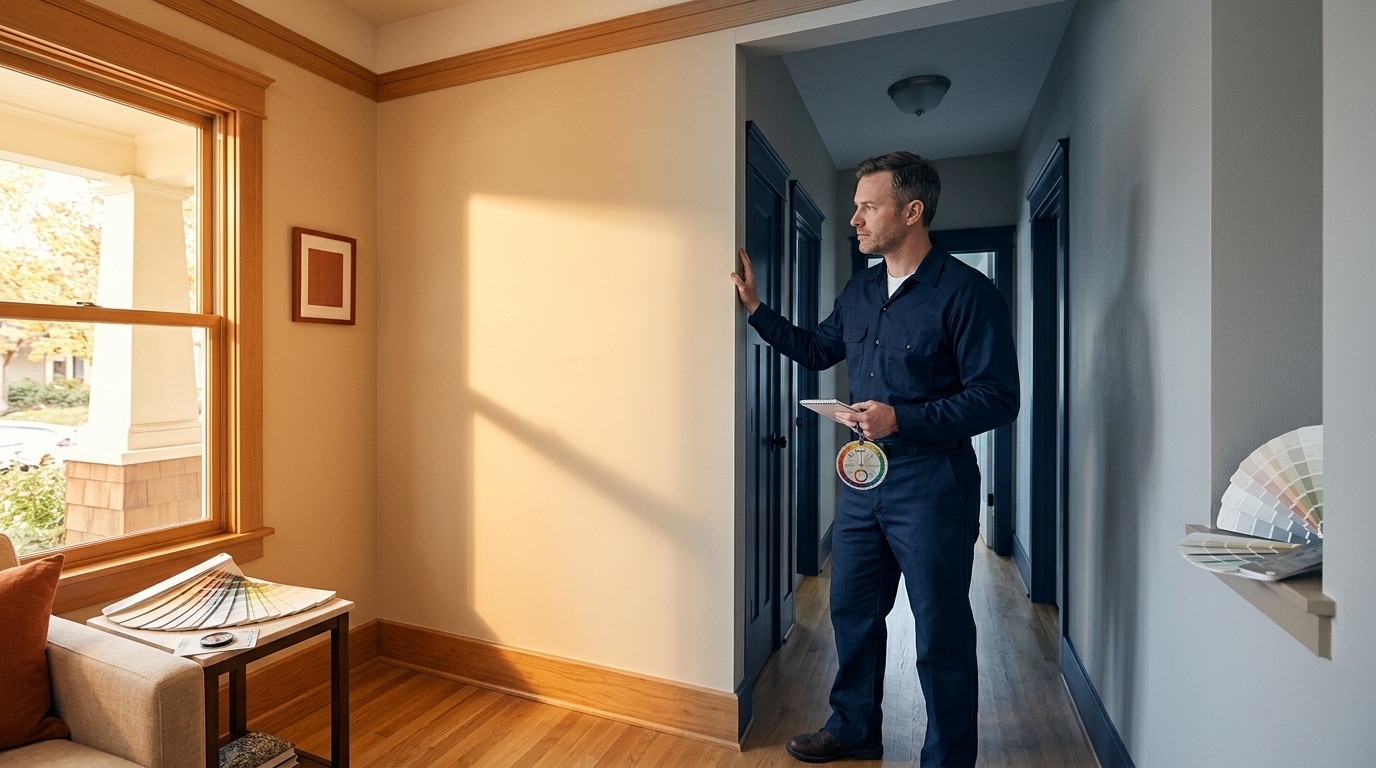
Aside from light, how a room is laid out also influences color perception. Understanding spatial flow and existing finishes helps in making informed color choices.
Spatial Flow and Color
The flow of a room can impact how colors are perceived as you move through the space. Open floor plans, for instance, allow for seamless transitions between areas, which can be enhanced with a cohesive color palette. In contrast, smaller, compartmentalized spaces might benefit from varying shades to define each area. Imagine walking from a soft blue living room into a calming gray kitchen. The colors should complement each other, creating a harmonious flow. By considering spatial flow, you can choose colors that enhance the overall cohesion of your home.
Existing Finishes and Their Role
Existing finishes, such as flooring, cabinetry, and countertops, play a significant role in your color choice. These elements can either complement or clash with your paint selection. For example, if you have rich, dark wood floors, a lighter wall color can provide a pleasing contrast, highlighting the wood’s natural beauty. Alternatively, if your fixtures are more modern and minimal, you might opt for a bold color to add character. By assessing these finishes, you ensure that your paint choice will harmonize with the existing elements, creating a cohesive look.
The Art of Sheen Selection

Choosing the right sheen is an art that can significantly impact your space’s overall look and feel.
LRV and Light Reflective Value
Light Reflective Value (LRV) measures how much light a color reflects. This factor is crucial in determining how a color will look in different lighting conditions. Lighter colors with high LRV reflect more light, making small spaces feel larger and more open. Darker colors, with lower LRV, absorb light, adding warmth and coziness. When selecting a color, consider its LRV to ensure it aligns with your design goals. This understanding allows you to predict how a color will behave in your specific space, ensuring a satisfactory result.
Choosing Eco-Friendly Paint Options
In today’s world, choosing eco-friendly paint options is more important than ever. These paints, made with fewer volatile organic compounds (VOCs), are better for the environment and your home’s air quality. Brands like Benjamin Moore and Sherwin Williams offer eco-friendly lines, ensuring you have both quality and sustainability. By opting for these paints, you contribute to a healthier home and planet. Plus, with advancements in technology, there’s no compromise on color richness or durability. This choice reflects a commitment to both aesthetic and environmental responsibility.
Frequently Asked Questions
How does natural light affect paint color?
Natural light can change the appearance of paint colors throughout the day. Bright sunlight can make colors appear warmer, while dim light can make them seem cooler. Understanding your room’s lighting will help in selecting the right shade.
Why is room orientation important in color selection?
Room orientation affects how much natural light a room receives, which in turn influences color perception. North-facing rooms tend to have cooler light, while south-facing rooms receive warmer, more direct sunlight, affecting how colors look.
What is Light Reflective Value (LRV)?
LRV measures the amount of light a color reflects. Higher LRV means more light reflection, making spaces feel larger. Lower LRV absorbs light, adding warmth and coziness. Consider LRV when choosing paint to achieve your desired effect.