
Mold, peeling paint, and worn surfaces aren’t just cosmetic problems—they signal deeper challenges, especially on older homes in Davis. At Alan’s House Painting, we know that how you prepare the surface shapes how well your exterior paint will protect and last. When historic details and weathered materials come into play, a careful, tailored prep process makes all the difference between a quick fix and a finish that truly honors your home’s character. Keep reading to learn why surface preparation is the key step most homeowners overlook. Learn more about our process here.
The Role of Mold in Painting
Mold isn’t just unsightly; it can ruin your paint job before it even starts. Let’s look into how mold impacts the painting process and why addressing it first is crucial.
Identifying Moisture Issues
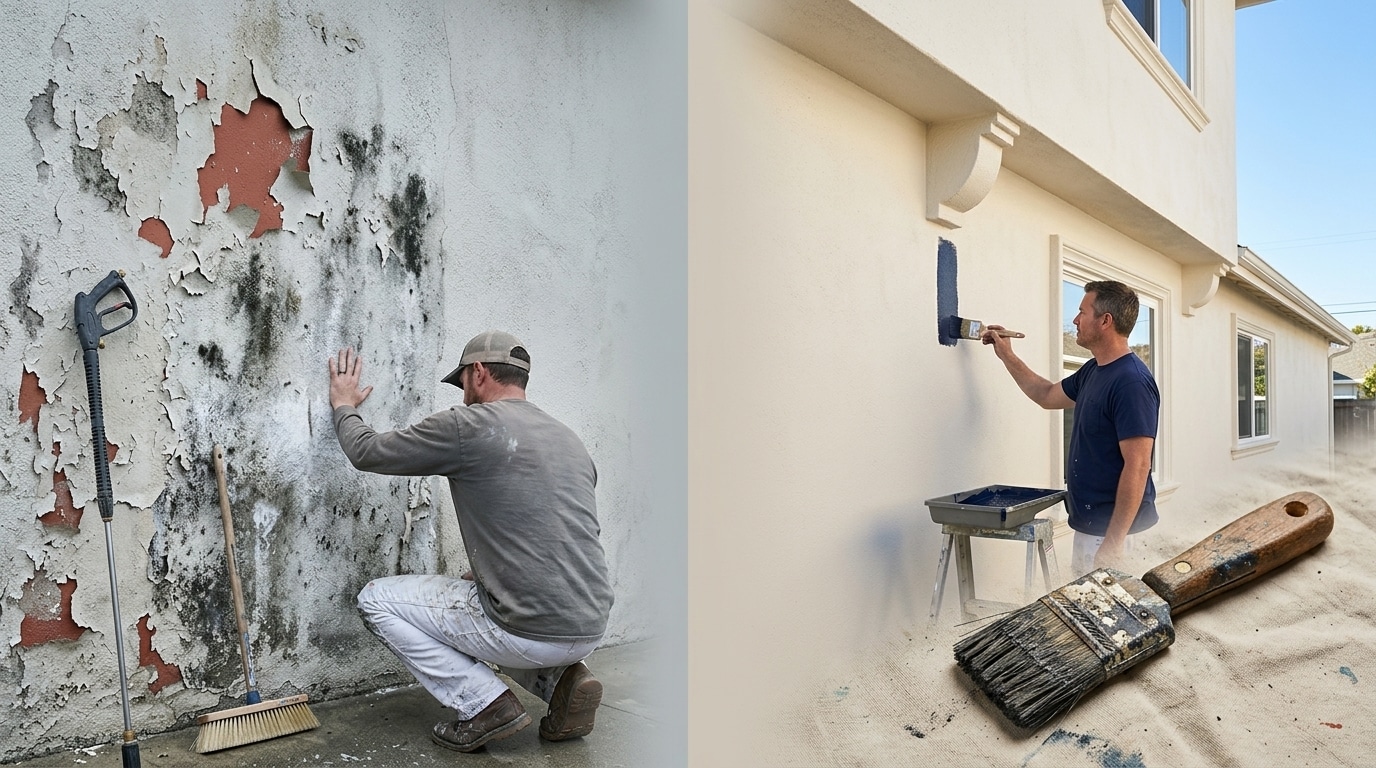
Moisture is often the hidden culprit behind mold problems. You might notice dark patches or a musty odor, signs that moisture is present. It’s vital to locate the source, whether it’s a leak or poor ventilation. Fixing these issues helps prevent mold from returning and ensures your paint job lasts longer. Without addressing the moisture, you’ll face recurring problems that compromise your home’s exterior.
Effective Mold and Mildew Removal
Removing mold isn’t just about scraping it off. The process involves cleaning with specialized solutions to kill spores and prevent regrowth. It’s important to use the right products and follow safety measures to protect your surfaces and health. Professional services like ours ensure thorough removal, paving the way for a smooth, lasting paint application. Without proper removal, the mold can bleed through the new paint, causing early deterioration.
Impact on Paint Longevity
Mold can drastically reduce the life of your paint. When mold isn’t properly removed, it can resurface, causing the paint to peel or crack. This means more frequent repainting and higher costs over time. Ensuring a mold-free surface helps your paint adhere better and last longer, maintaining your home’s beauty and protection against the elements. A clean start leads to a finish that you can trust for years.
Preparing Surfaces for Painting

Once mold is managed, the next step is getting your surfaces ready to hold the paint effectively. Let’s explore common challenges and solutions in surface preparation.
Addressing Peeling Paint
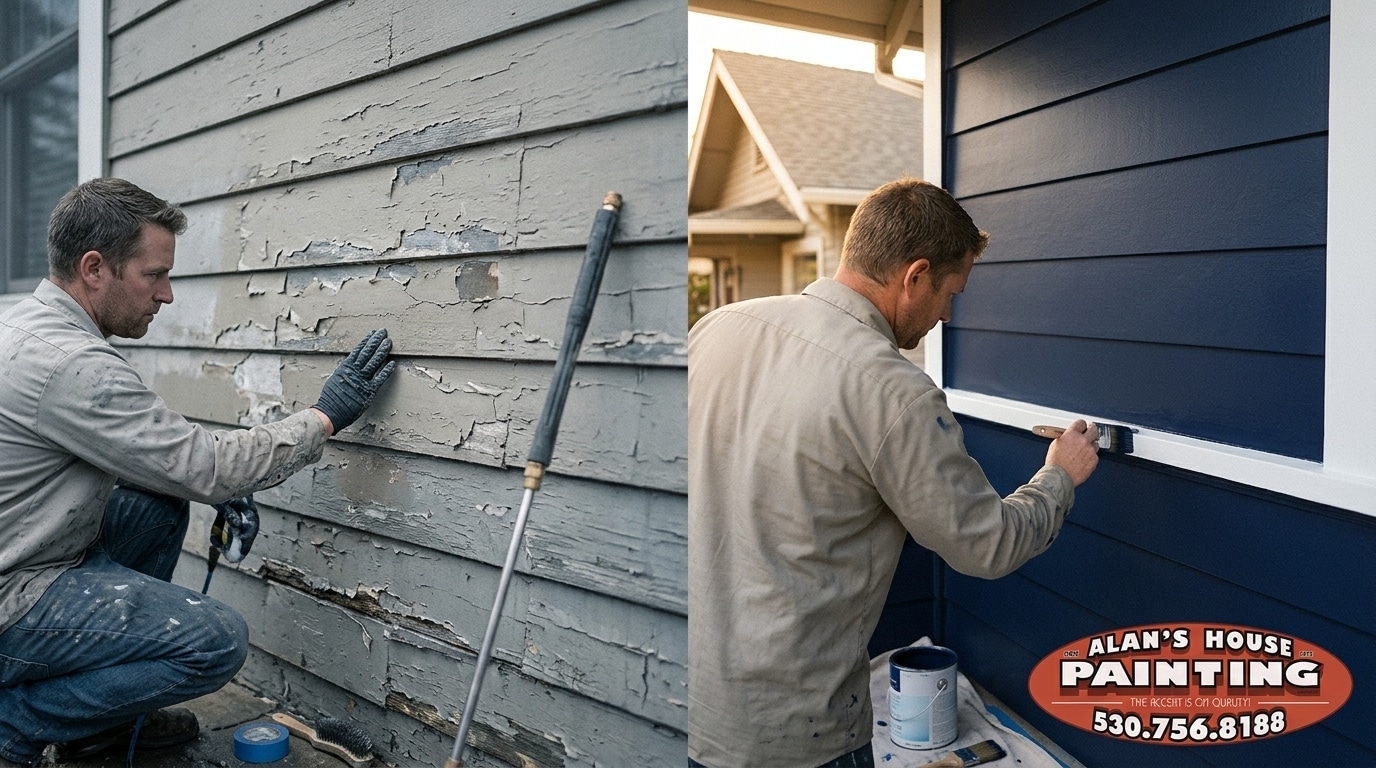
Peeling paint is more than an eyesore; it’s a sign of underlying issues. Removing old, flaky paint requires scraping and sanding to create a smooth base. This process helps the new paint adhere properly and prevents future peeling. Ignoring this step can lead to an uneven finish and wasted effort. A well-prepared surface is critical for a professional-looking result that stands the test of time.
Repairing Stucco and Masonry
Cracks in stucco or masonry can let moisture in, leading to bigger problems. Repairing these surfaces involves sealing cracks and filling voids to ensure a solid foundation for the paint. This step not only improves aesthetics but also strengthens your home’s defenses against the elements. Skipping repairs might save time initially, but can result in costly damage later. Proper repair ensures the longevity and durability of your paint job.
Priming Exterior Wood
Wood surfaces need special attention to hold paint well. Priming is essential, as it seals the wood, preventing moisture from seeping in and causing damage. A good primer also helps the paint stick better, enhancing durability. Without priming, paint can chip or peel quickly, leading to frequent touch-ups. Priming is a small step with significant impact, securing your investment in a quality finish.
Challenges of Older Architecture
Older homes bring unique charm but also specific challenges. Here’s how we tackle the intricacies of painting historic architecture.
Preserving Historic Details
Historic homes often feature intricate details that require careful attention. Preserving these elements while painting involves gentle cleaning and preparation techniques. It’s important to use products that won’t damage the original materials. The goal is to maintain the home’s character while providing a fresh, protective finish. Respecting these historic details ensures that the beauty and value of your home are preserved for future generations.
Lead-Safe Painting Practices
Many older homes have layers of lead paint, which poses health risks if not handled correctly. Lead-safe practices involve careful testing, containment, and removal of lead paint. This ensures the safety of your family and the environment. Professional painters are trained in these techniques, providing peace of mind that the job is done safely and correctly. Handling lead paint properly is crucial to maintaining a healthy home.
Selecting Weather-Resistant Paint
Older homes need paint that can withstand the test of time and weather. Choosing a weather-resistant paint is key to protecting your home from moisture and temperature changes. These paints are designed to expand and contract with the weather, preventing cracking and peeling. Investing in quality paint helps safeguard your home and reduces maintenance costs. A durable paint selection ensures that your home’s exterior remains beautiful and protected.
Frequently Asked Questions
1. How do I know if my house has moisture issues?
Look for signs like peeling paint, dark patches, or a musty smell. These can indicate moisture problems that need addressing before painting.
2. What are the steps for removing mold before painting?
Effective mold removal involves cleaning with specialized solutions to kill spores. It’s important to address the source of moisture to prevent regrowth.
3. Why is priming exterior wood necessary?
Priming seals the wood, preventing moisture damage and helping the paint adhere better. This step ensures a long-lasting, professional finish.
4. How do I safely handle lead paint in older homes?
Lead-safe practices include testing for lead, using protective gear, and following containment procedures during removal to ensure safety.
5. What type of paint is best for older homes?
Weather-resistant paints work best, as they can handle temperature changes and moisture, safeguarding your home and minimizing maintenance.