
Most fall painting budgets vanish on quick fixes that don’t last through winter. Your best bet is to focus on surface prep, site protection, and a durable finish that stands up to Davis weather. With Alan’s House Painting, you invest once and get results backed by decades of local know-how and a solid warranty. Keep reading to see how smart prep and protection stretch your budget further this season. Read more about the painting phases that make a difference.
Preparing Surfaces for Lasting Results
When it comes to painting, the surface preparation stage is crucial for a durable outcome. Skipping this step can lead to unsightly finishes and quicker deterioration.
Importance of Surface Prep
Without proper preparation, paint won’t adhere well, resulting in peeling and cracking. Achieving a long-lasting finish begins with a meticulously prepped surface. This ensures the paint grips firmly, enhancing the appearance and lifespan of your project.
Techniques for Effective Prep
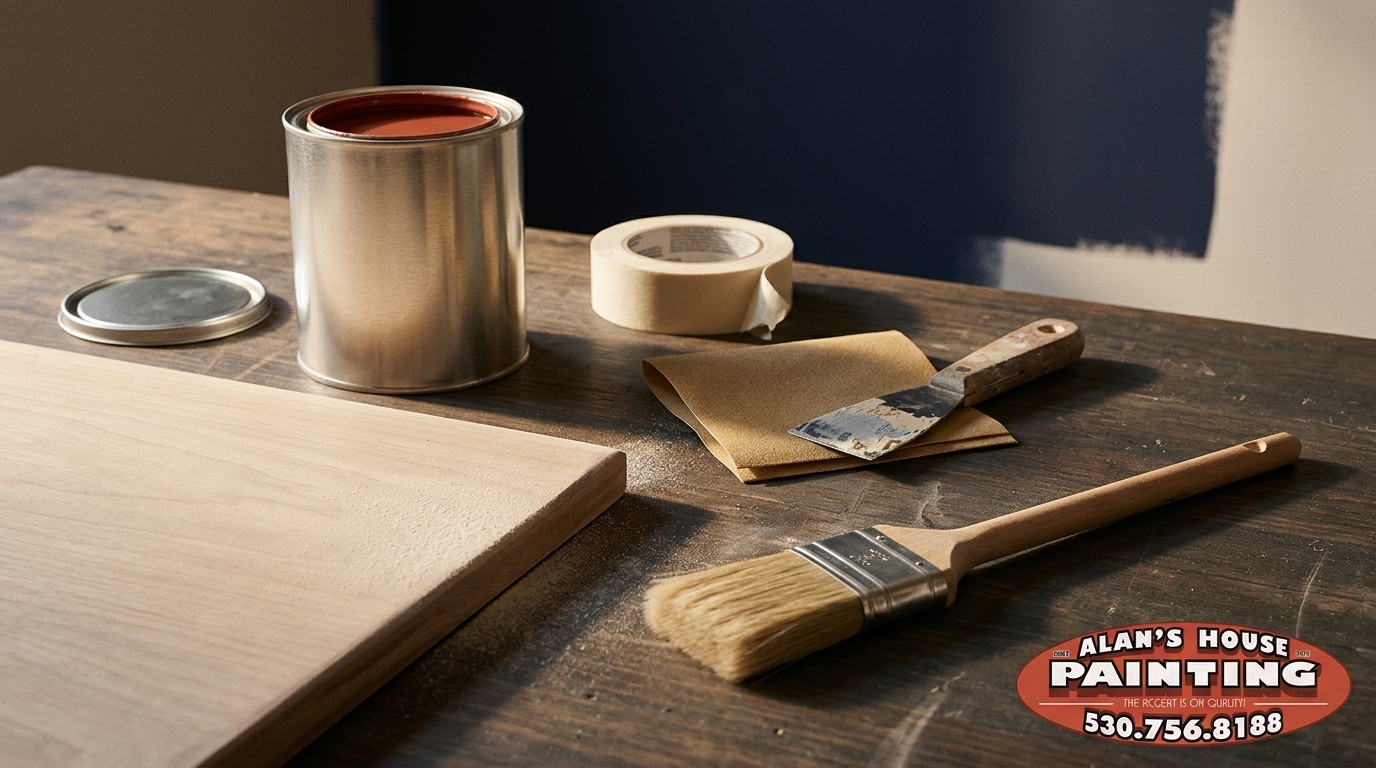
Effective preparation involves cleaning the surface to remove dirt and grime. Sanding is next, smoothing out any imperfections. If you’re dealing with older surfaces, addressing issues like mildew or rust is key to creating an ideal base. Such attention to detail can make a significant difference, ensuring your paint job withstands the test of time.
Common Prep Mistakes to Avoid
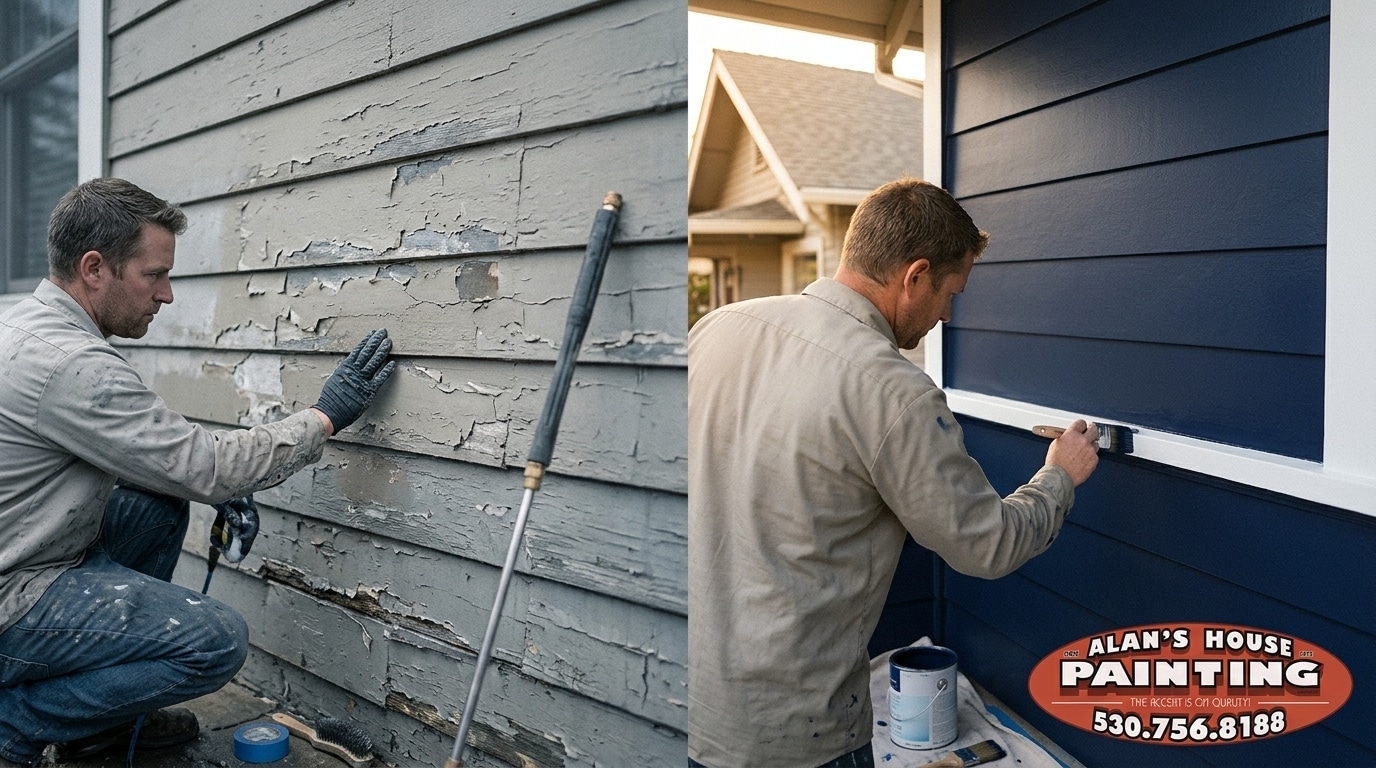
Rushing through prep can introduce problems. Skipping the cleaning or sanding can cause uneven finishes. Many mistakenly disregard the importance of removing old, flaking paint, which can lead to issues down the line. Taking the time to prepare surfaces accurately is essential for a successful, long-lasting result.
Protecting Your Investment with Care
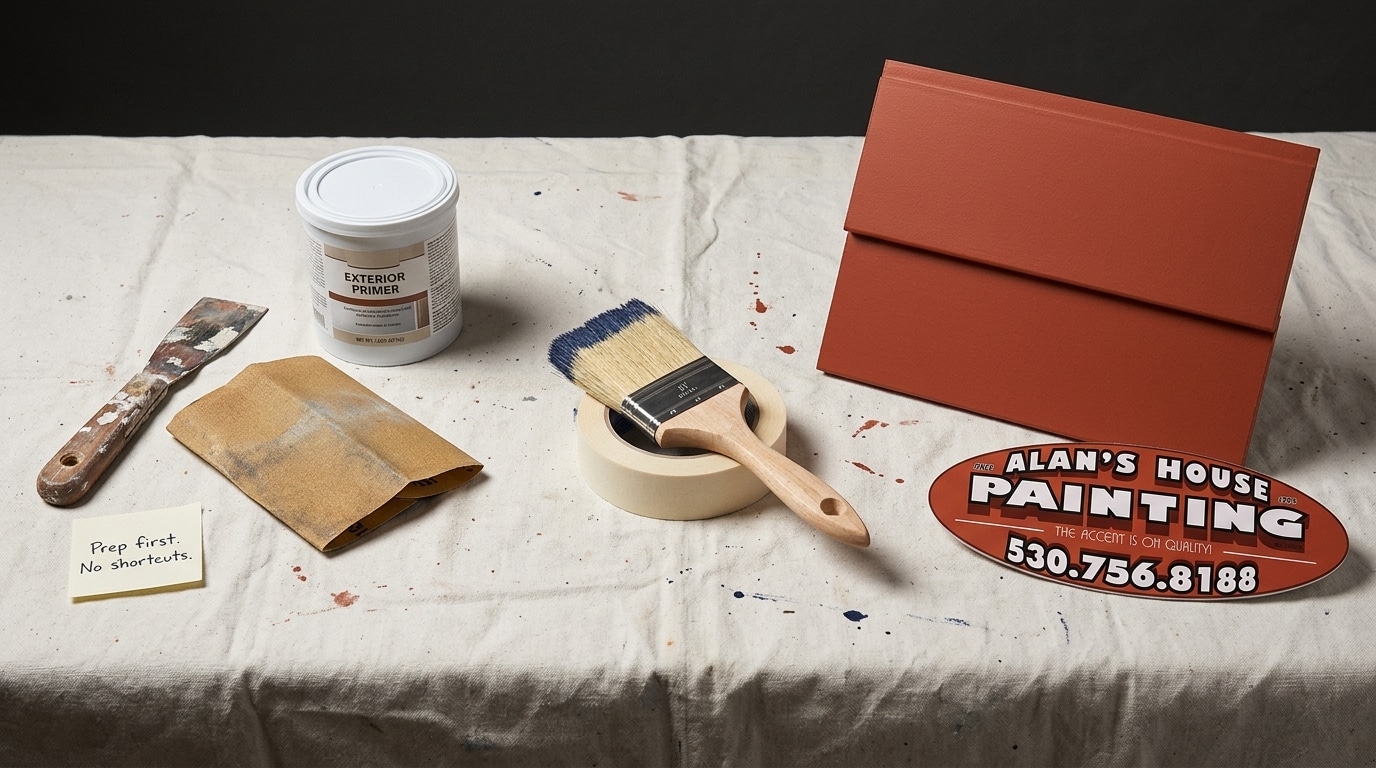
After preparation, safeguarding your project with careful protection processes is essential.
Site Protection Essentials
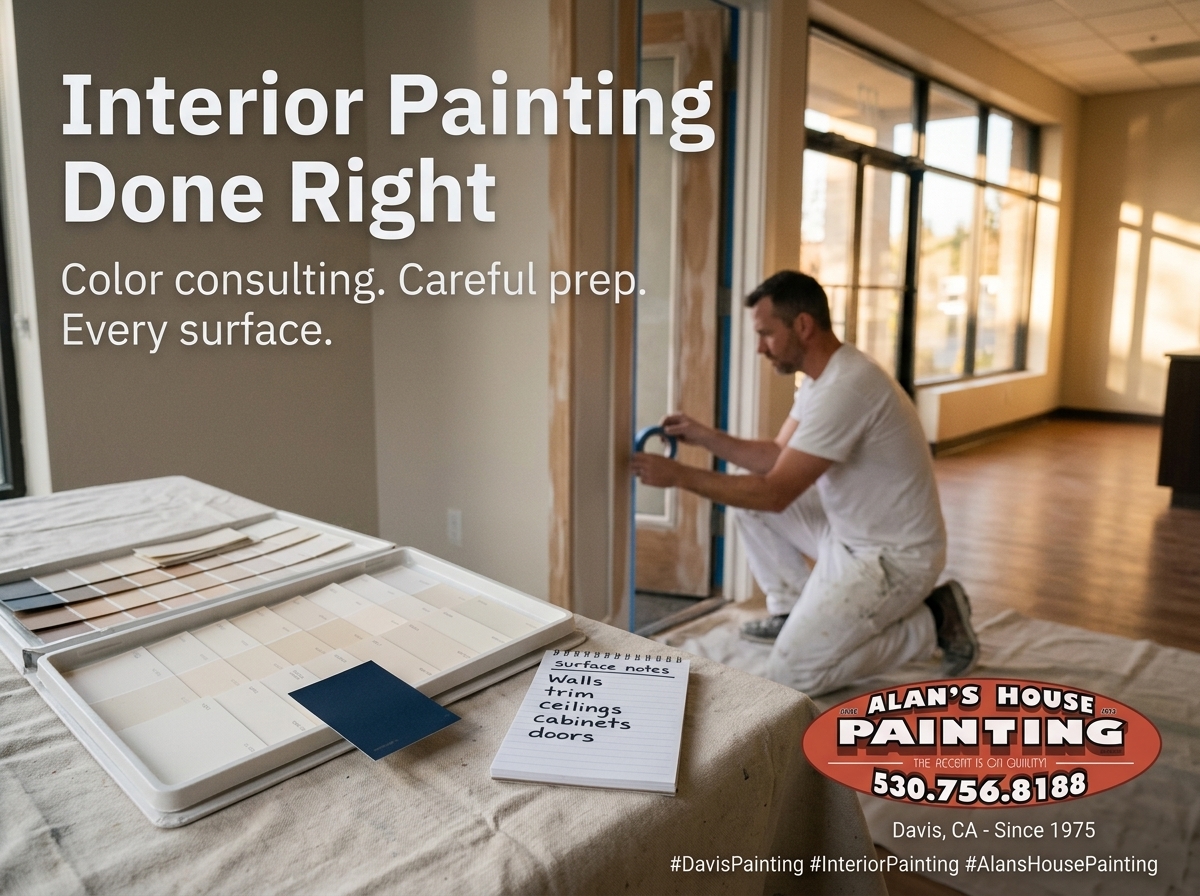
Site protection involves covering areas that shouldn’t be painted, like windows or walkways. This step is vital to prevent accidental spills and splatters. Using drop cloths and painter’s tape, you create a barrier between your work and items you want to keep pristine.
Benefits of Proper Masking
Masking protects non-painted areas and ensures crisp lines. A poorly masked area can lead to messy edges and additional cleanup. Proper masking not only saves time but ensures the final look is clean and professional.
Avoiding Damage with Protection
Unprotected surfaces might suffer unnecessary damage during painting. For instance, paint drips can permanently stain floors or fixtures. By investing in thorough site protection, you avoid these pitfalls, keeping your property in perfect condition.
Finishing Touches for Durability
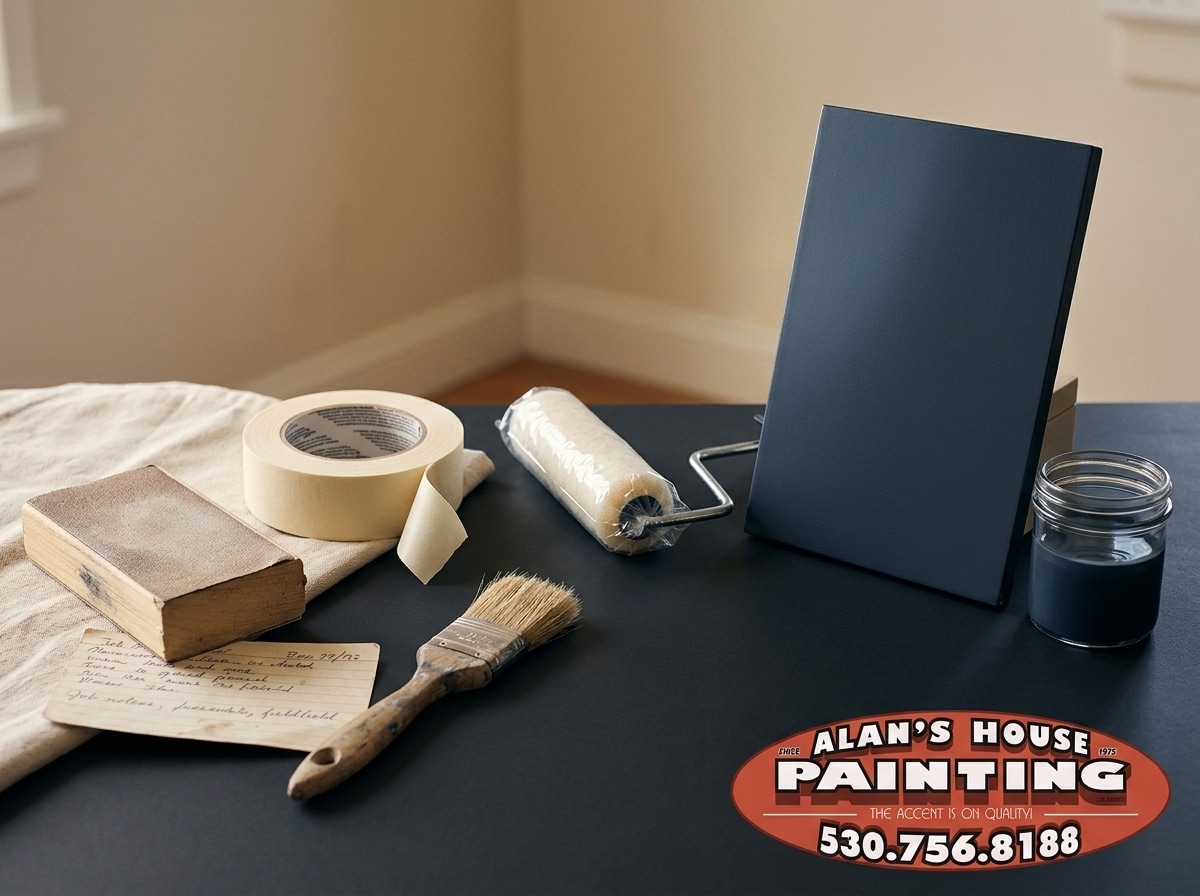
The final phase focuses on selecting the right finishes to ensure longevity.
Choosing the Right Paint Primer
A high-quality primer is your first line of defense against wear. It locks in the surface prep work, providing a stable foundation for paint. Picking the right primer can enhance the paint’s adhesion, increasing its lifespan.
Ensuring a Weather-Resistant Finish
Choosing a weather-resistant paint is crucial in places like Davis, where weather changes can be extreme. These paints are formulated to withstand elements such as rain and sunlight, keeping your surfaces protected and fresh-looking throughout the year.
The Role of Caulking and Sealing
Caulking and sealing help keep moisture out, preventing damage like mold or wood rot. These steps act as a protective layer, ensuring the durability of your paint job. They are vital for maintaining a pristine finish over time.
Frequently Asked Questions
What is the best time for exterior painting?
The best time for exterior painting is during mild weather, typically in the fall or spring. This ensures the paint dries uniformly without the extremes of summer or winter.
Why is primer necessary before painting?
Primer provides a uniform base and improves paint adhesion. It helps in covering stains and enhances the overall durability of the paint.
How can I protect my floors during a paint job?
Using drop cloths or plastic sheeting is an effective way to protect floors. Ensuring they are securely taped down can prevent any paint from seeping through.