


A fresh paint job can quickly lose its shine if the prep work isn’t done right. For commercial painting in Davis and Sacramento, skipping careful wall preparation often leads to peeling, fading, and a finish that doesn’t last through the busy fiscal year. You’ll learn why taking time to repair, clean, and prime surfaces before painting keeps your space looking sharp well past Q4 planning—and why booking your prep-heavy project now makes all the difference. Here is a useful resource to understand the importance of being careful in every step of the preparation process.
Learn more about our services.
Importance of Wall Preparation
The foundation of any long-lasting paint job lies in meticulous preparation. Proper wall preparation is crucial to ensure your paint adheres well and lasts through the year. Let’s explore how careful steps in surface prep make all the difference.
Ensuring Paint Adhesion
First, paint adhesion is vital for a finish that endures. When surfaces are not adequately prepped, paint struggles to stick, leading to premature peeling or flaking. Think of paint as a visitor to your wall. If the wall is dirty or damaged, the paint won’t settle comfortably. To guarantee adhesion, proper cleaning and repair work must come first. This process involves removing dust, grime, and old paint residues. Just like a clean canvas is essential for a painter, your walls need a fresh start for a new coat of paint.
A common assumption is that paint alone can fix wall imperfections. In reality, without addressing the underlying issues, paint may highlight flaws rather than cover them. Regular inspection and fixing any cracks or holes can make a significant difference in the longevity of your paint.
Repair and Surface Cleaning
Repairing and cleaning surfaces is an essential step before painting. Walls often have cracks, dents, and other blemishes that need attention. By fixing these, you’re creating a smooth surface for the paint to adhere to. This process is not just about aesthetics; it’s about ensuring your paint lasts longer and looks professional.
Cleaning is equally important. Over time, walls accumulate dust, grease, and other contaminants. Cleaning removes these barriers, allowing the paint to bond effectively with the wall. Without this step, you risk a blotchy, uneven finish. To achieve a flawless result, make sure every surface is thoroughly cleaned.
Steps for Effective Surface Prep
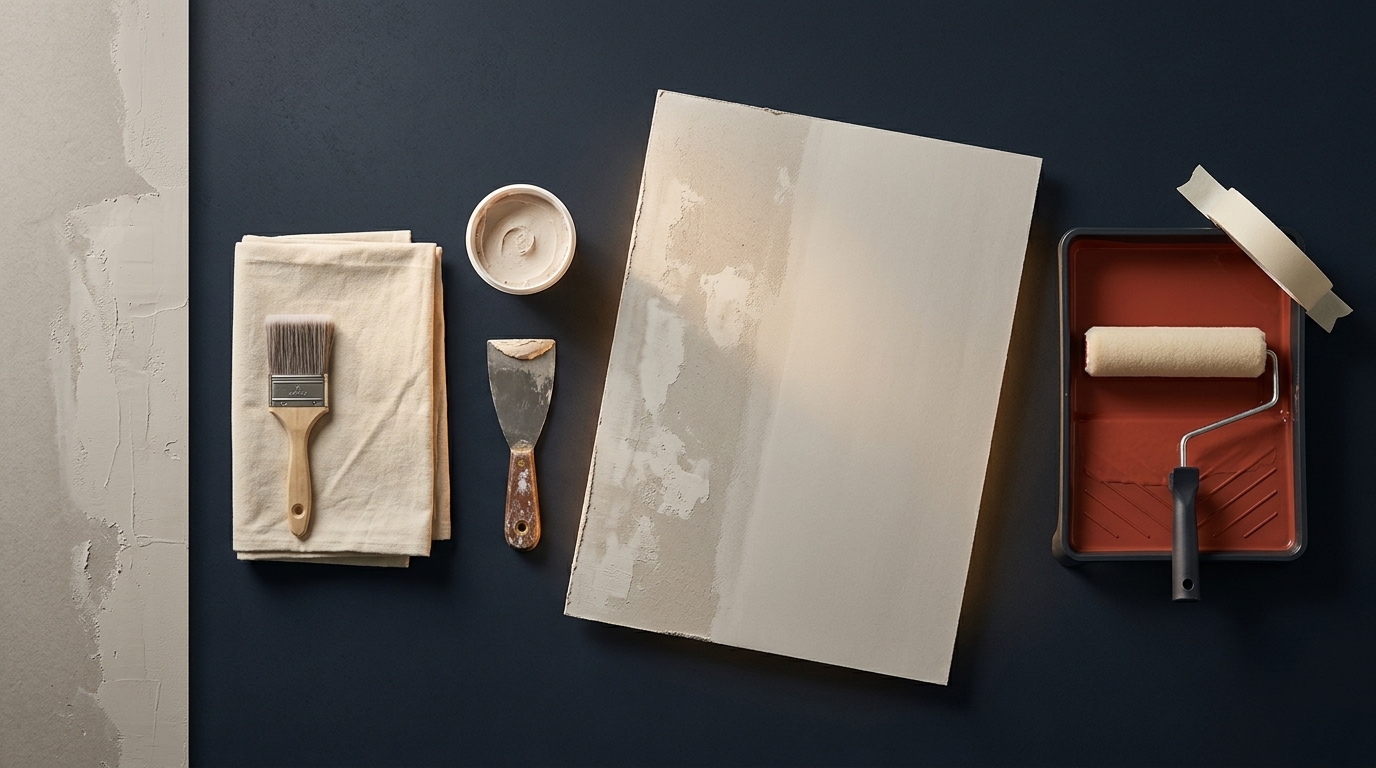
Now that we’ve established the importance of preparation, let’s dive into the specific steps involved in effective surface prep. Each step serves a purpose and contributes to a lasting paint job.
Skim Coating and Patching
Skim coating and patching are vital for smoothing out surfaces. If you’ve ever noticed uneven textures or small holes in walls, this is where these techniques come into play. By applying a thin layer of compound, you can make the surface even and ready for painting. Patching involves filling in any holes or cracks, ensuring a uniform surface. These steps are crucial for achieving a professional finish, as they eliminate imperfections that could disrupt the paint’s appearance.
Most people believe a thick layer of paint can hide wall flaws. However, without skim coating and patching, those flaws often resurface, leading to disappointment. Investing time in these preparatory steps can save you from frequent touch-ups in the future.
Power Washing and Stain Blocking
Power washing and stain blocking are essential for outdoor surfaces. Power washing removes dirt, mildew, and loose paint, providing a clean slate for new paint. It’s particularly important for commercial painting in Davis and Sacramento, where buildings face diverse weather conditions. Stain blocking, on the other hand, prevents stains from seeping through the new paint. It acts like a shield, ensuring the new paint layer remains vibrant and unblemished.
Relying solely on paint to cover stains is a misconception. Without proper stain blocking, stubborn marks can reappear, ruining the fresh look. Power washing combined with stain blocking ensures your paint remains flawless and vibrant.
Primer and Sealers Application
Applying primer and sealers is a step that cannot be skipped. Priming surfaces before painting helps in hiding imperfections and enhances paint adhesion. It acts as a preparatory coat, ensuring your paint looks its best. Sealers, meanwhile, protect surfaces from moisture and other environmental factors. They help maintain the integrity of the paint, preventing issues like peeling and bubbling. Together, primer and sealers set the stage for a successful and durable paint job.
Many people underestimate the power of primer, thinking paint can do it all. In reality, primer is the unsung hero that ensures your paint performs well and lasts longer. Investing in quality primer and sealers brings peace of mind and excellent results.
Long-lasting Commercial Painting
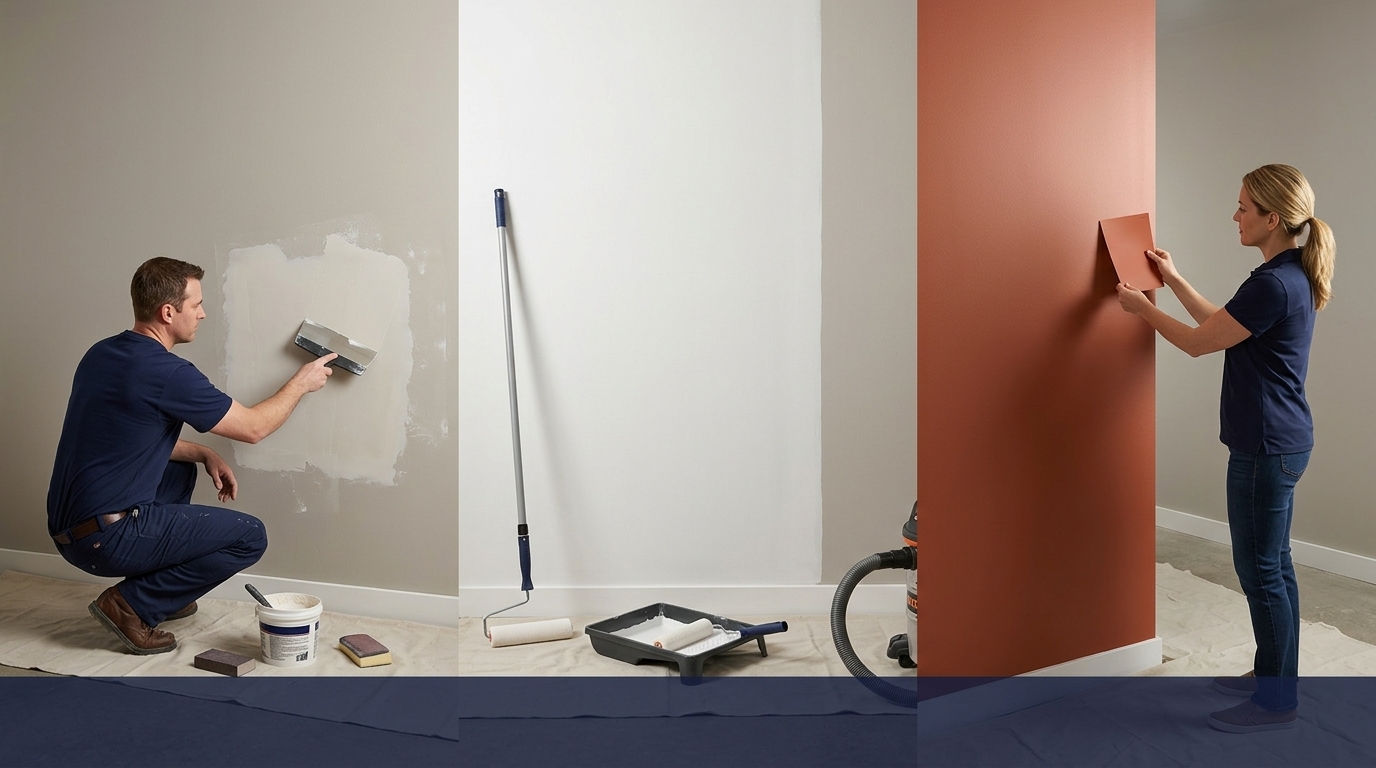
When it comes to commercial spaces, ensuring long-lasting results is paramount. Let’s explore how the right choices in paint and timing can enhance your project.
Benefits of Low-VOC Paints
Low-VOC paints are gaining popularity due to their environmental benefits and durability. These paints contain fewer volatile organic compounds, making them a healthier choice for indoor spaces. They contribute to better air quality and reduce odors. For businesses, this means less downtime and a healthier environment for employees and clients. Moreover, low-VOC paints are known for their resilience, maintaining a fresh look for longer periods.
Switching to low-VOC paints is not just an option; it’s a smart choice for commercial spaces. They offer a sustainable solution that aligns with modern environmental standards while delivering a high-quality finish.
Scheduling Before Q4 Planning
Timing is everything when planning a commercial painting project. Scheduling before Q4 ensures your space is ready for the year’s busiest period. It allows for ample preparation time, ensuring no corners are cut. By planning ahead, you avoid the rush and potential delays that come with last-minute bookings. This strategic timing helps maintain a professional appearance, essential for tenant-ready spaces and fiscal-year operations.
Most businesses wait until the last minute to schedule painting, leading to rushed jobs and compromised quality. By planning early, you secure a spot and guarantee meticulous preparation, resulting in a polished and long-lasting finish.
Frequently Asked Questions
Why is wall preparation crucial for a commercial paint job?
Wall preparation ensures paint adheres properly and lasts longer. It involves cleaning, repairing, and priming surfaces to create a smooth, receptive base for paint.
What steps are involved in surface preparation?
Surface preparation includes skim coating, patching, power washing, stain blocking, and applying primer and sealers. Each step contributes to a flawless and durable paint job.
What are the benefits of using low-VOC paints in commercial spaces?
Low-VOC paints offer better air quality, reduced odors, and environmental benefits. They are durable, making them ideal for spaces with high foot traffic and frequent use.
When is the best time to schedule a commercial painting project?
It’s best to schedule before Q4 to avoid the end-of-year rush. Early planning allows for thorough preparation, ensuring a professional and long-lasting finish.
How can Alan’s House Painting help with commercial painting needs?
With over 40 years of experience, Alan’s House Painting provides meticulous prep and high-quality finishes for commercial spaces. We offer a comprehensive painting service tailored to meet your specific needs.


