
Not all 1,500 square foot interiors cost the same to paint. Your home’s condition, the prep work needed, and the finish you want all play a big role in the final price. After 40 years serving Davis and Sacramento, we’ve seen how these details shape each quote. Let’s break down what really drives the cost to paint 1500 sq ft house interior, so you know what to expect before requesting your free estimate. Learn more about the factors affecting interior painting costs in the Cost to Paint a 1,500 Sq Ft House Interior: A Prep-First, Scope-Right Guide for Davis Homeowners.
As you consider your next painting project, know that the local expertise of our Interior Painters Near Me ensures top-notch results. Remember, it’s not just about choosing the right paint but focusing on the prep work as highlighted in Myth vs. Reality: It’s Not the Paint Aisle—It’s the Prep That Makes Jobs Last. Explore how we achieve impeccable finishes with The Prep-First Difference: How Interior Painting Contractors Deliver Lasting, Flawless Finishes.
Understanding Painting Costs
Painting the interior of a 1,500 square foot home encompasses more than just the paint itself. It’s about understanding each factor that plays into the final cost. Let’s dive into what you should consider.
Factors Influencing Cost
The key factors influencing your painting cost include the current state of your walls, the amount of prep work needed, and your choice of finish. A home with well-maintained walls will cost less than one requiring extensive repairs. Similarly, opting for a high-end finish will increase your expenses.
A crucial part of the process is understanding how these variables interact. For instance, using premium paints in a room with damaged drywall will still lead to subpar results if the walls aren’t properly prepped beforehand. It’s all about balance and knowing where to allocate your budget for the best outcome.
Importance of Prep Work
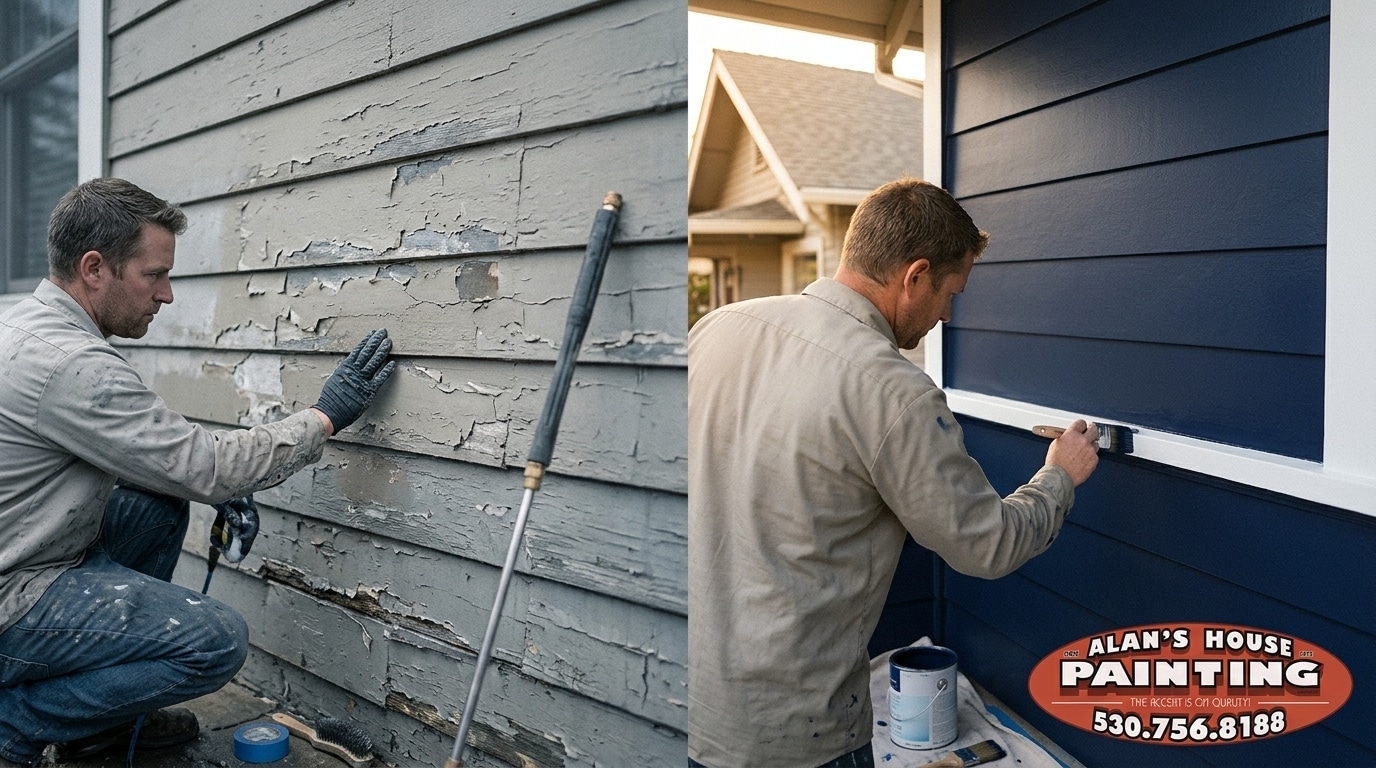
Prep work sets the stage for a successful paint job. A thorough preparation ensures the paint adheres well and lasts longer. This involves cleaning the walls, filling in holes, and priming surfaces. Skipping these steps might save time initially, but it can lead to peeling or cracking later on.
Think of prep work as the foundation of your project. Neglecting it is like building a house on shaky ground. Investing in proper preparation not only enhances the appearance but also adds longevity to your interior paint job.
Surface Condition Impact
The condition of your home’s surfaces significantly affects costs. Issues like cracks, mold, or old wallpaper require additional labor and materials. Addressing these problems beforehand ensures a smooth, flawless finish.
Homes with pristine surfaces generally cost less to paint than those needing major repairs. By evaluating and improving the condition of your walls, you can avoid unexpected expenses and achieve better results.
Scope and Finish Choices
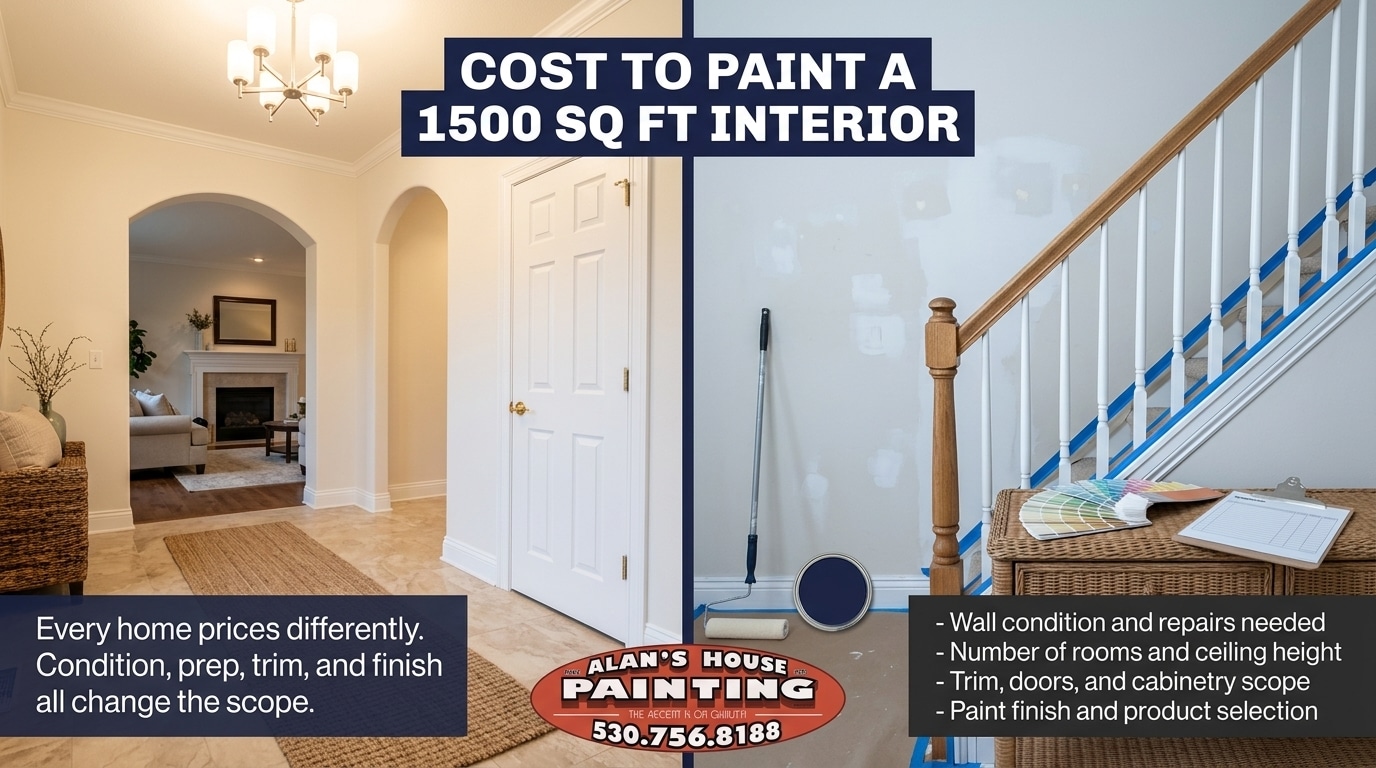
Once you’ve considered the initial factors, it’s time to focus on the scope of your project and the finishes you desire. These decisions impact not only the aesthetic but also the overall cost.
Room Layout Considerations
The layout of your rooms plays a critical role in determining costs. Open floor plans with fewer obstructions are easier and faster to paint, resulting in lower costs. In contrast, rooms with intricate designs or numerous doors and windows require more time and precision.
When planning your project, think about how your room’s layout will influence the painting process. Sometimes, rearranging furniture or removing unnecessary fixtures can simplify the job and reduce expenses.
Selecting the Right Finishes
Choosing the right finish is essential for both style and functionality. Matte finishes are great for concealing imperfections, while gloss finishes are ideal for high-traffic areas due to their durability. The finish you choose will also affect the cost, with higher-gloss options typically costing more.
Consider the purpose of each room when selecting finishes. Kitchens and bathrooms, for example, benefit from moisture-resistant paints. Making informed choices here ensures your investment lasts.
Trim and Doors Painting
Don’t overlook the impact of trim and door painting on your overall budget. These elements often require different paint types and additional labor. They add a polished, cohesive look but can increase costs if not factored into your initial estimate.
Including trim and door painting in your plan from the start helps you manage expectations and avoid surprises. By treating these details as part of the complete job, you ensure a seamless, professional appearance.
Preparing for an Estimate
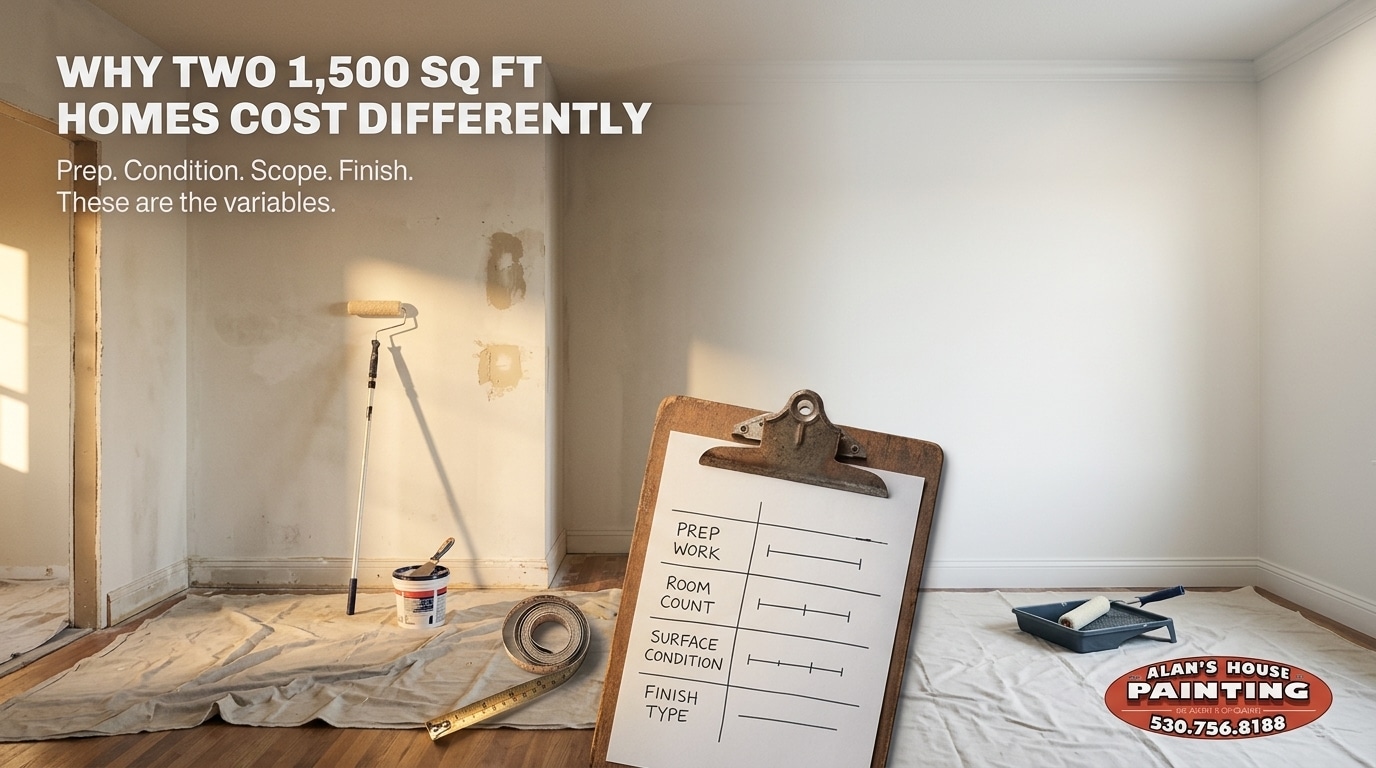
Before seeking an estimate, being prepared can help you understand what to expect and engage confidently with professional painters. Here’s what you need to know.
Checklist for Homeowners
-
Assess Wall Conditions: Note any repairs or prep needed.
-
Determine Paint Preferences: Decide on colors and finishes.
-
Identify Important Details: Consider trim, doors, and unique features.
-
Set a Realistic Budget: Understand your financial limits and priorities.
Having this information ready allows for a more accurate estimate and helps you communicate your needs effectively.
Evaluating Professional Painters
Choosing the right painter is crucial. Look for licensed and insured professionals with positive reviews and a history of quality work. Ask about their preparation process, materials, and timeline to ensure they align with your expectations.
A trusted, experienced painter will not only deliver great results but also provide peace of mind throughout the project.
Scheduling a Free Estimate
Once you’re prepared, schedule a free estimate with a reputable painter. This step allows you to clarify your vision, understand potential costs, and explore options tailored to your needs. It’s the perfect opportunity to ask questions and address any concerns.
By approaching this process with confidence and clarity, you can make informed decisions and ensure a successful, stress-free painting experience.
Frequently Asked Questions
How much does it cost to paint a 1,500 sq ft house interior?
The cost varies based on prep work, surface condition, and finish choices. Typically, prices range from $2,000 to $7,500, depending on these factors.
Why is prep work important in painting?
Prep work ensures the paint adheres properly and lasts longer. It involves cleaning, repairing, and priming surfaces to avoid issues like peeling or cracking.
What affects the cost of painting interiors?
Key factors include the condition of surfaces, the amount of prep work needed, room layout, and the finishes selected. Each element contributes to the overall price.
How do I choose the right finish for my home?
Consider the function of each room. Matte finishes hide imperfections, while gloss finishes are durable and moisture-resistant, making them ideal for kitchens and bathrooms.
Do professional painters include trim and doors in their estimates?
Yes, but it’s important to discuss these details upfront. Including trim and door painting ensures a cohesive look and helps manage the overall budget.