

Choosing paint colors can feel like guessing in the dark, especially when those swatches look perfect under store lights but shift once on your walls. At Alan’s, we know how natural light changes throughout the day, turning calm shades harsh or soft tones bold. With our decades of experience in Davis house painting, we help you pick colors that fit your style and the real light your home sees. Keep reading to learn how to make your color choice feel right from morning to night. For additional tips on how to choose paint colors, check out this guide.
Understanding Natural Light in Your Home
Natural light plays a significant role in how paint colors appear in your space. Let’s explore how light affects color perception and how it changes throughout the day.
How Light Affects Paint Colors
Light can make colors look different than they do on a swatch. Bright natural light can wash out colors, making them appear lighter. In contrast, a dim room might make shades appear darker and more intense. When you choose paint colors, consider the type of light that enters each room. For instance, a sunny room may make pale yellow look almost white, while the same color might appear more vibrant in a shaded room. The right shade can enhance the mood and feel of your space.
Morning, Afternoon, and Evening Light Changes
The color of your walls can change as the day progresses. In the morning, eastern light tends to be soft and warm, which can make colors feel more inviting. Afternoon sunlight, coming from the south, is typically bright and can make colors look more vivid. By evening, western light brings warm tones, which can alter how shades appear. Understanding these changes helps you pick a color that looks great at any time. This knowledge is crucial when choosing paint colors for spaces like living rooms where lighting changes significantly throughout the day.
Finding Your Perfect Paint Palette
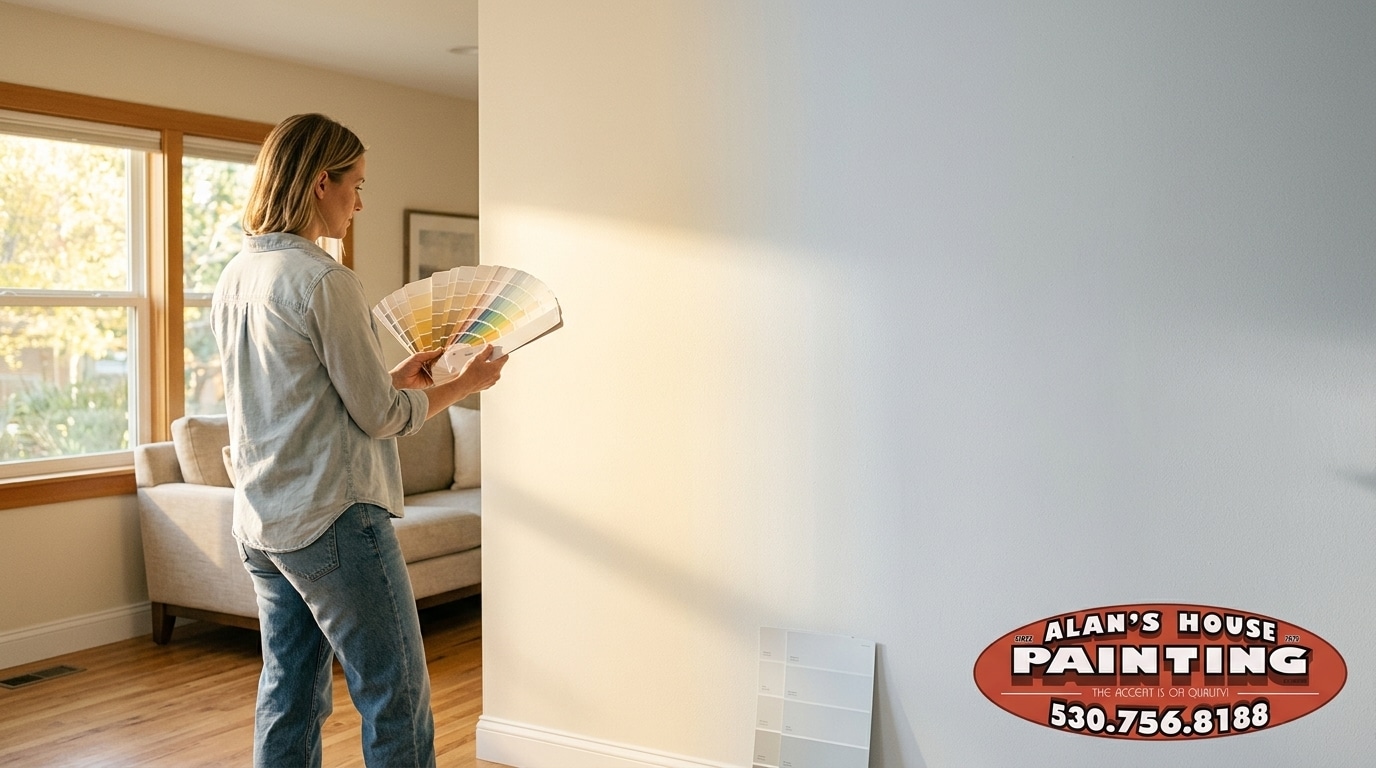
Combining natural light knowledge with personal style is key to selecting the right colors. Let’s see how you can align your preferences with practical choices.
Aligning Colors with Personal Style
Choosing colors should reflect your personal style. Start by thinking about the atmosphere you want to create. Do you prefer calm and serene spaces, or do you like vibrant and energetic rooms? Colors can evoke these emotions. Once you know the feeling you want, look at how popular colors could fit. Consider shades that complement your furniture and décor. For inspiration, explore whole house color schemes.
Using Color Samples on Walls
Testing colors with samples is crucial. Paint a small area on your wall and observe it at different times of the day. This helps you see how the color interacts with the room’s light. Sampling also prevents costly mistakes. It’s a small step that can save you from repainting if a color doesn’t work as expected. Remember, samples are your best friends in choosing the right shade.
Testing Before You Commit
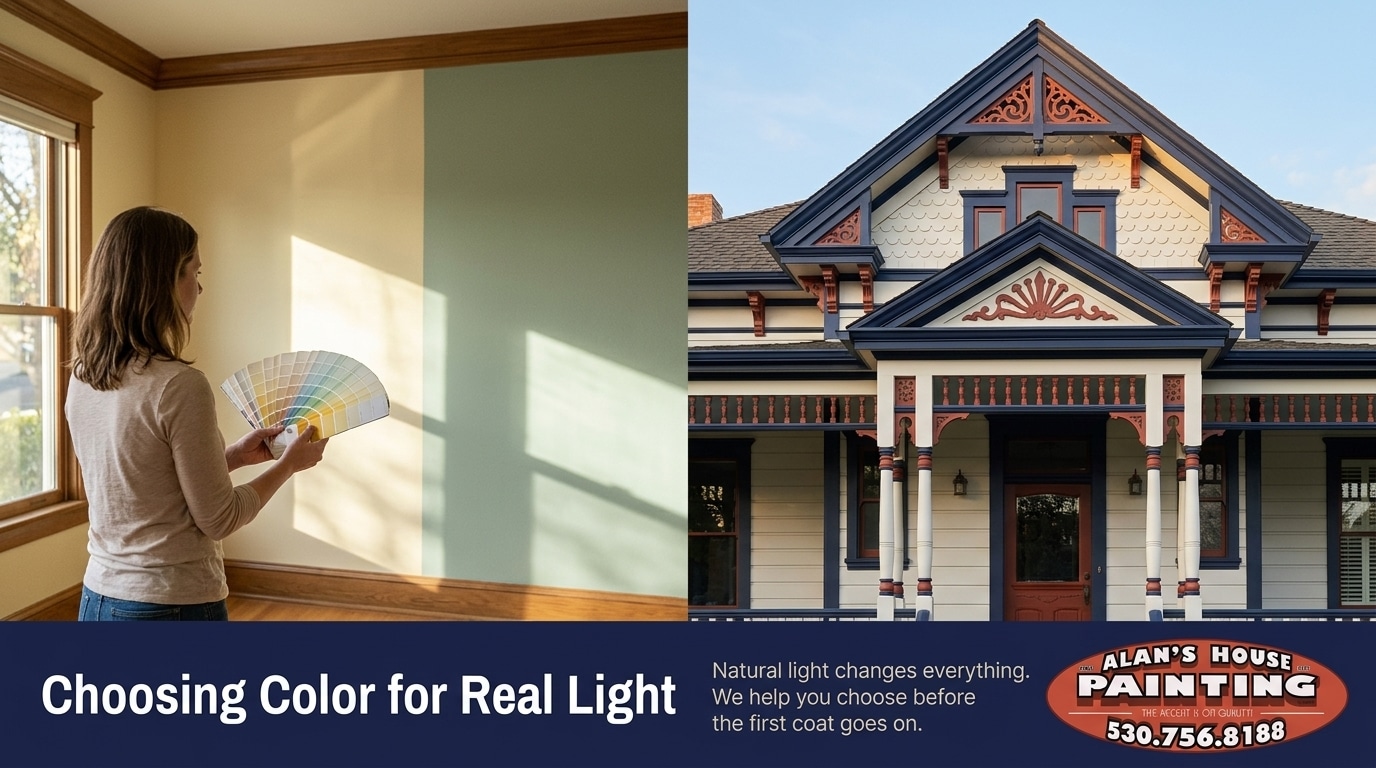
Before making the final decision, it’s essential to test your choices thoroughly. Let’s dive into how sample boards and light mapping can help.
Importance of Large Sample Boards
Large sample boards give you a clearer picture of how a color will look. These boards can be moved around the room to see how the color appears on different walls. This approach is more reliable than small paint chips. Sample boards allow you to live with the color for a while, giving you confidence in your choice. You can find more ideas on color testing here.
Conducting On-Site Light Mapping
Mapping light in your home involves observing how natural light moves through each room. This helps identify areas with consistent lighting and those with variable lighting. Knowing this helps you decide if a color will remain consistent or change dramatically. On-site light mapping ensures your color choice complements the room’s natural light dynamics.
Frequently Asked Questions
How does natural light affect paint colors?
Natural light can alter how paint colors appear. Bright light may wash out colors, while dim light can make them look darker. This is why it’s important to consider the lighting in each room when choosing colors.
Why should I use large sample boards instead of small paint chips?
Large sample boards provide a more accurate representation of how a color will look on your walls. They cover more area and allow you to see the color in different lighting conditions, which small chips cannot do.
What is light mapping, and why is it important?
Light mapping involves observing how natural light moves through your home. It’s important because it helps you understand where light changes occur, ensuring your color choice looks good throughout the day.